Evaluating the Steephie Font for Design Projects
In the landscape of digital typography, designers constantly seek typefaces that convey specific moods without relying on excessive graphical elements. Steephie is a font that has gained attention for its distinct aesthetic, mimicking the look of hand-painted brush strokes with intentional dripping effects. For professionals and hobbyists alike, understanding whether this typeface aligns with project goals requires a balanced look at its visual characteristics, technical performance, and appropriate use cases.
Understanding the Visual Identity of Steephie
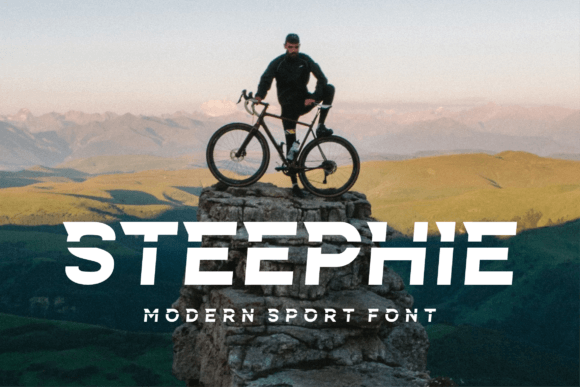
At its core, Steephie is designed to replicate the organic imperfections of physical media. Unlike standard sans-serif or serif fonts that prioritize geometric consistency, this typeface embraces chaos in a controlled manner. The letters feature varying stroke widths and simulated paint drips that extend from the characters. This creates an edgy, artistic feel that suggests movement and raw creativity.
The design philosophy behind Steephie is rooted in the grunge and street art movements. It appeals to audiences looking for a departure from polished, corporate aesthetics. When rendered, the font does not look like it was generated by a computer algorithm but rather applied by a human hand using a loaded brush. This texture adds a layer of depth that flat vector fonts often lack, making it a compelling choice for headlines and logos where immediate visual impact is required.
Reasons to Consider Steephie for Your Work
Designers might be drawn to Steephie when they need to communicate energy, rebellion, or non-conformity. The dripping paint effect serves as a visual metaphor for fluidity and spontaneity. This makes the font particularly effective for industries such as music, gaming, fashion, and event promotion.
- Immediate Attention: The irregular shapes and drips break the monotony of standard text blocks, drawing the eye instantly.
- Artistic Authenticity: For projects aiming to showcase handmade or artisanal qualities, the brush-stroke style reinforces the message of human craftsmanship.
- Emotional Resonance: The "edgy" nature of the font can evoke feelings of excitement, danger, or underground culture, which are valuable assets in marketing campaigns targeting younger demographics.
Beyond aesthetics, the versatility of Steephie allows it to function well as a display font. It works effectively in large sizes where the details of the drip effects remain visible and impactful. In these scenarios, the font acts less as a vehicle for information and more as a graphic element in its own right.
Benefits and Tradeoffs: A Practical Analysis
While the visual appeal of Steephie is clear, adopting it involves weighing several practical considerations. The primary benefit is its ability to establish a unique brand voice quickly. In a crowded market, a distinctive typeface can help a design stand out. However, this distinctiveness comes with tradeoffs regarding readability and scalability.
Readability Challenges
The very features that make Steephie attractive—the drips and uneven strokes—can hinder legibility, especially at smaller sizes. When used for body copy or long paragraphs, the irregular baseline and character spacing can cause reader fatigue. The brain struggles to parse the text because the familiar shapes of letters are distorted by the paint effects. Therefore, the font is best reserved for short phrases, titles, or accent text.
Scalability and Technical Constraints
Another consideration is how the font performs across different mediums. On high-resolution screens, the details render beautifully. However, on lower-resolution devices or when printed in small formats, the fine lines of the drips may blur or disappear, potentially leaving jagged edges. Designers must test the font in its intended environment before finalizing a layout.
Licensing and Compatibility
As with many artistic fonts, users should verify the licensing terms. Some versions of Steephie may have restrictions on commercial use or require specific attribution. Additionally, web implementation requires careful handling to ensure the font loads correctly across browsers without compromising page speed.
Ideal Scenarios for Implementation
To maximize the effectiveness of Steephie, it should be deployed in situations where its stylistic strengths are amplified. The following contexts represent strong fits for this typeface:
- Event Posters and Flyers: Concert posters, festival banners, and club flyers often benefit from the high-energy look of the font. The drips suggest a dynamic atmosphere.
- Brand Logos for Creative Industries: Brands in the tattoo, graffiti, or alternative fashion sectors can use the font to reinforce their identity.
- Website Headers: Using Steephie for a hero section title can create a striking first impression, provided the rest of the site uses a clean, readable font for navigation and content.
- Social Media Graphics: Short captions or overlay text on images for platforms like Instagram or TikTok can leverage the font's boldness to stop the scroll.
In these scenarios, the font functions as a focal point. The surrounding design should be relatively minimal to allow the complexity of the letterforms to shine without creating visual clutter.
When to Consider Alternatives
Despite its creative potential, Steephie is not a universal solution. There are specific situations where choosing this font could undermine the project's objectives. If clarity and professionalism are the primary goals, alternatives are necessary.
Avoid using Steephie for:
- Corporate Communications: Annual reports, legal documents, and business proposals require neutral, highly legible typefaces. The playful or aggressive nature of this font would appear unprofessional.
- Long-Form Reading Material: Books, articles, and blog posts demand consistent rhythm and spacing. The erratic nature of the drips disrupts the reading flow.
- Accessibility-Critical Projects: Users with visual impairments or dyslexia may find the distorted shapes difficult to decipher. Inclusive design often prioritizes clean, sans-serif fonts over decorative ones.
- Minimalist Designs: If a project relies on negative space and simplicity, the heavy texture of Steephie may overwhelm the composition.
In these cases, a standard serif or geometric sans-serif font will serve the audience better by ensuring information is conveyed efficiently.
Decision-Making Insights for Designers
Determining whether Steephie aligns with your needs requires a strategic approach. Before integrating the font into a workflow, ask yourself what emotion you wish to evoke. If the goal is to signal tradition, stability, or neutrality, this font is likely a mismatch. However, if the objective is to capture attention through visual disruption and artistic flair, it offers significant value.
Practical testing is essential. Create mockups that include both the Steephie headers and the supporting body text. Observe how the two interact. Often, pairing a decorative font like this with a simple, clean counterpart creates a balanced hierarchy. Ensure that the contrast between the two styles is sufficient to guide the user's eye without causing confusion.
Furthermore, consider the longevity of the design. While trendy fonts can be effective for short-term campaigns, they may date quickly. Evaluate whether the "grunge" aesthetic will still resonate with your target audience in a year or two. If the project is meant to be evergreen, a slightly more timeless variation of a brush-style font might be a safer investment.
Ultimately, Steephie is a powerful tool within a designer's arsenal, but like any tool, its value depends on how and where it is applied. By understanding its limitations and leveraging its unique strengths, creators can produce work that is both visually engaging and functionally sound.