Evaluating Marco Comic for Design Projects
In the landscape of digital typography, few categories are as specific yet widely used as display fonts designed to mimic hand-lettering. Among these options, Marco Comic has emerged as a notable choice for designers seeking a balance between whimsy and legibility. This font is characterized by its structured but playful design, offering a visual aesthetic that feels like it was drawn with a marker while maintaining the consistency required for professional typesetting. For anyone researching typefaces for children's projects, educational materials, or creative branding, understanding the capabilities and limitations of Marco Comic is essential before integrating it into a workflow.
Understanding the Design Philosophy of Marco Comic
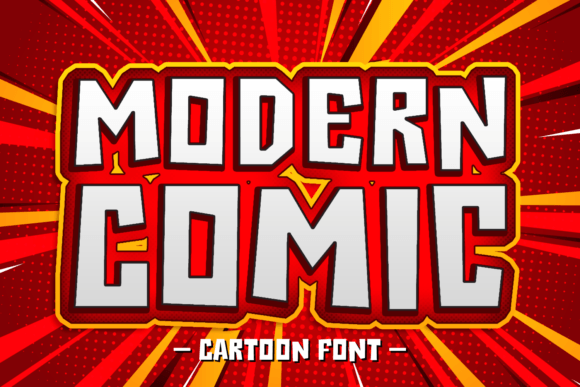
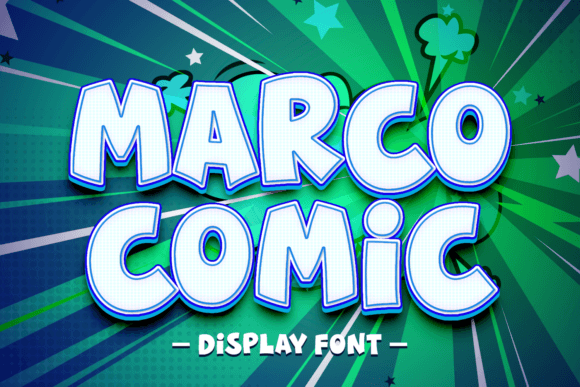
Marcos Comic is fundamentally a display font, meaning it is optimized for use at larger sizes such as headlines, titles, and short bursts of text rather than dense body copy. Its primary design goal is to replicate the charm of childlike handwriting without sacrificing readability. Unlike many novelty fonts that prioritize stylistic flair over clarity, this typeface incorporates structural integrity into its letterforms. The strokes are bold and rounded, mimicking the pressure of a felt-tip pen, yet the spacing and alignment are engineered to ensure that words remain easily decipherable even at moderate distances.
The appeal of this font lies in its ability to bridge the gap between informal sketching and polished graphic design. It captures the energy and spontaneity associated with youth culture while adhering to typographic standards that prevent visual clutter. This duality makes it a versatile asset for projects that require a fun tone but cannot afford to appear amateurish. When evaluating whether a font fits a specific project, one must consider if the design intent aligns with the need for both approachability and professionalism, a balance that this typeface attempts to strike consistently.
Key Reasons to Consider This Typeface
Designers often turn to fonts like this when they need to communicate directly with younger audiences or evoke a sense of nostalgia and playfulness. There are several practical reasons why a creator might select this option over more standard serif or sans-serif families. First, the inherent friendliness of the letterforms reduces the cognitive load on young readers, making text feel less intimidating and more inviting. Second, the distinctiveness of the style helps brands stand out in crowded markets where generic typography is common. Finally, the font's robust construction ensures that it remains legible across various media, from digital screens to printed signage.
Another significant factor is the versatility found within its character set. While it maintains a consistent voice, the font includes enough variation in weight and style to support different hierarchical needs within a layout. This allows designers to create emphasis without switching to a completely different typeface, which can disrupt the visual flow of a document. For projects ranging from storybooks to classroom posters, the ability to maintain a cohesive look while varying the impact of the text is a valuable feature.
Benefits and Tradeoffs in Practical Application
Like any specialized tool, using a display font comes with specific benefits and tradeoffs that must be weighed during the planning phase. The primary benefit of this font is its immediate emotional resonance. It signals fun, creativity, and informality instantly, setting the right mood for the audience before a single word is read. This makes it highly effective for capturing attention in marketing materials aimed at families, educators, or entertainment sectors.
However, there are clear tradeoffs to consider. Because it is a display font, it is not suitable for long-form reading. Using it for paragraphs of body text can lead to eye strain and reduced comprehension due to the irregular shapes and lack of uniform baseline stability found in traditional text fonts. Additionally, while the font is designed to look hand-drawn, it lacks the true randomness of actual handwriting. In contexts where authentic imperfection is desired—such as simulating a genuine child's drawing—this font may appear too clean or manufactured.
Readability is another critical consideration. While the font is generally legible, certain characters may be difficult to distinguish in very small sizes or low-resolution environments. Designers must test the font at the intended output size to ensure that letters like "I", "l", and "1" remain distinct. Furthermore, the playful nature of the design may clash with serious subject matter, potentially undermining the credibility of content that requires a formal tone.
Situations Where the Font Excels
This typeface is a strong fit for a variety of specific scenarios where tone and engagement are paramount. It is particularly well-suited for:
- Children's Book Titles and Headers: The font's charm complements illustrations and stories, creating an immersive experience for young readers.
- Educational Materials: Worksheets, flashcards, and classroom decorations benefit from the friendly aesthetic, which can make learning materials feel more accessible.
- Creative Branding: Companies in the toy, game, or family entertainment industries can use this font to establish a brand identity that feels approachable and energetic.
- Event Signage: Posters for birthday parties, school events, or community gatherings can utilize the font to convey excitement and informality.
When Alternatives May Be Preferable
Despite its strengths, there are situations where other typefaces would serve a project better. If the primary goal is to convey authority, seriousness, or high-end luxury, a display font with a cartoonish vibe is likely inappropriate. In these cases, a clean sans-serif or a classic serif font would provide the necessary gravitas. Similarly, for projects requiring extensive amounts of text, such as novels, academic papers, or detailed instruction manuals, a dedicated text font with superior x-height and kerning should be chosen to ensure comfort for the reader.
Furthermore, if the design brief calls for a specific historical period or a highly stylized artistic movement that does not align with modern marker-style lettering, alternatives should be explored. Fonts that mimic calligraphy, gothic script, or futuristic techno-styles offer different aesthetic values that may be more aligned with specific thematic requirements.
Decision-Making Insights for Designers
Determining whether this font aligns with your goals requires a methodical evaluation of the project's core objectives. Start by defining the target audience and the emotional response you wish to elicit. If the audience is primarily children or if the message relies on a sense of fun and approachability, this font is a viable candidate. Next, assess the volume of text required. If the usage is limited to headlines, logos, or short captions, the font's display characteristics will enhance the design. However, if large blocks of text are necessary, it should be paired with a neutral companion font for body copy.
It is also crucial to consider the medium of delivery. Test how the font renders on mobile devices, social media thumbnails, and print proofs. The thick strokes of the design can sometimes fill in at smaller resolutions, leading to a loss of detail. Ensuring that the font scales effectively across all intended platforms is a key step in the selection process. Finally, evaluate the competition. If similar products or publications in your niche already rely heavily on this style, using a unique alternative might help your project differentiate itself.
In conclusion, Marco Comic offers a compelling solution for designers needing a font that balances childlike charm with professional structure. Its ability to maintain readability while delivering a fun tone makes it a valuable addition to many creative toolkits. However, its effectiveness is contingent upon appropriate application. By understanding its strengths as a display font and respecting its limitations regarding body text and formal contexts, designers can make informed decisions that enhance their projects rather than detract from them. Careful consideration of audience, context, and medium will ultimately determine if this typeface is the right choice for your specific needs.