Retro Halfline: A Bold Display Font for Modern Projects
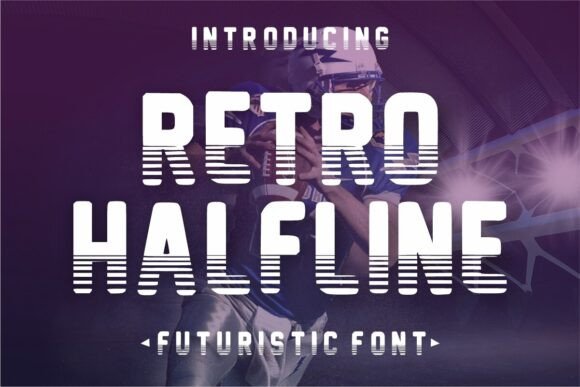
In the crowded landscape of digital design, a single typeface can often define the entire mood of a project. Retro Halfline stands out as a cool and modern display font that manages to bridge the gap between nostalgic aesthetics and contemporary clarity. It is not merely a collection of letters; it is a visual statement. This font evokes a strong, confident personality with striking details on each side of the lettering, making it an immediate focal point for any headline or logo. Whether you are sketching a concept for a new brand or finalizing a marketing campaign, adding Retro Halfline confidently to your projects allows you to enjoy results that command attention without shouting.
What Makes Retro Halfline Unique?
To understand why this typeface resonates with so many creators, one must look at its structural DNA. Unlike standard sans-serif fonts that prioritize uniformity, Retro Halfline embraces asymmetry and texture. The "striking details on each side of the lettering" refer to the unique serifs and geometric interruptions that frame the core strokes of the characters. These elements create a sense of depth and movement, mimicking the style of mid-century advertising while remaining crisp enough for high-resolution screens.
The font is designed as a display typeface, meaning it is intended for use in larger sizes where its intricate details can be fully appreciated. Using it for body text would likely hinder readability, but for headlines, logos, and short phrases, it offers a level of character that generic fonts simply cannot match. The balance between the retro vibe and modern execution ensures that designs feel timeless rather than dated. It captures the spirit of the past but speaks the visual language of today.
Perspectives for Beginners and Hobbyists
For those just starting their journey in graphic design, typography can feel like a steep learning curve. Retro Halfline offers a low barrier to entry while delivering high-impact results. Beginners often struggle to make their work look professional, but this font does much of the heavy lifting regarding style. By selecting a typeface with such a distinct personality, a novice designer can instantly elevate a simple poster or social media graphic.
Hobbyists, such as scrapbookers or DIY enthusiasts, may appreciate the font for its versatility in personal projects. Imagine creating custom invitations for a themed party or designing a banner for a local garage sale. The strong, confident nature of the letters ensures legibility even from a distance, while the retro flair adds a touch of whimsy and charm. For these users, the priority is ease of use and immediate visual appeal. They do not need complex kerning adjustments or multiple weights; they need a font that looks good right out of the box. Retro Halfline provides exactly that, allowing hobbyists to focus on creativity rather than technical constraints.
Practical Example for New Creators
- Project: A YouTube channel banner for a vintage gaming review series.
- Application: Using Retro Halfline for the channel name creates an instant connection to the retro gaming era.
- Benefit: The viewer immediately understands the theme before reading a single word of description.
Strategic Value for Professionals and Entrepreneurs
While beginners seek ease, professionals and entrepreneurs evaluate typography through the lens of branding and commercial value. For a small business owner, every design element must serve a strategic purpose. Retro Halfline offers a way to differentiate a brand in a saturated market. In industries like fashion, automotive, or craft beverages, where heritage and style are selling points, this font can communicate quality and confidence.
Marketing teams often face the challenge of capturing attention within seconds. The striking details of this font act as visual hooks. When used in a digital ad or a storefront sign, the unique side details of the lettering break the monotony of the typical scroll. However, professionals must also consider reliability and consistency. Does the font scale well? Is it readable across different devices? Retro Halfline excels here because its modern construction ensures that the retro details do not become muddy on smaller screens when sized appropriately.
Entrepreneurs launching a new product might choose this font to signal innovation rooted in tradition. It suggests that the brand respects history but is not stuck in it. This nuance is critical for building trust with a demographic aged 20–50, who often value authenticity alongside modern convenience. The cost-benefit analysis for these users favors a premium-looking font that does not require expensive custom illustration, offering long-term usefulness in various marketing collateral.
Use Cases for Business Owners
- Logo Design: Creating a memorable mark for a boutique coffee shop or a streetwear brand.
- Packaging: Highlighting key ingredients or slogans on product labels where space is limited but impact is needed.
- Event Branding: Designing tickets and signage for conferences or pop-up shops to establish a cohesive visual identity.
Creative Freedom for Educators and Publishers
Educators and publishers approach typography with a focus on engagement and clarity. While they typically rely on serif or sans-serif fonts for long-form reading, there is a place for display fonts in educational materials and editorial layouts. An educator designing a slide deck about the 1950s economy could use Retro Halfline for section headers to immerse students in the historical context. The font becomes a teaching tool, visually reinforcing the subject matter.
For publishers and bloggers, the goal is often to break up dense text and guide the reader's eye. A blog post about modern interior design trends could utilize this font for pull quotes or article titles. The strong personality of the typeface adds a layer of sophistication that keeps readers engaged. It signals that the content is curated and thoughtfully presented. However, these users must be careful with application. Overuse can lead to visual fatigue. The key is restraint—using the font sparingly to highlight specific, important information.
The flexibility of Retro Halfline allows it to adapt to various tonal needs. It can be playful for a children's magazine cover or serious for a retrospective feature in a trade journal. This adaptability makes it a valuable asset in a creator's toolkit, offering learning value in how different typefaces influence perception. By experimenting with this font, educators and writers can better understand the relationship between form and function in communication.
Determining if Retro Halfline Fits Your Goals
Before integrating this typeface into your workflow, it is essential to assess whether it aligns with your specific objectives. If your priority is maximum readability for large blocks of text, this font may not be the right choice. Its strength lies in its display capabilities, where size and detail are paramount. Conversely, if you need to convey confidence, nostalgia, or a bold modern edge, Retro Halfline is an excellent candidate.
Consider your audience. Are they looking for a quick, impactful message, or are they seeking detailed information? For the former, this font is ideal. For the latter, pair it with a neutral companion font to ensure balance. Also, think about the longevity of your project. Will this design need to remain relevant in five years? The blend of retro and modern elements in Retro Halfline suggests a timeless quality that resists fleeting trends.
Ultimately, the decision comes down to the story you want to tell. Do you want your words to whisper or shout? With Retro Halfline, your message arrives with a strong, confident voice. Whether you are a freelancer pitching a concept, a marketer launching a campaign, or a hobbyist decorating a room, this font offers the tools to make your vision stand out. Add it confidently to your projects, and let the striking details speak for themselves.