Jifer Bogy: Unleashing Halloween Terror in Digital and Print Design
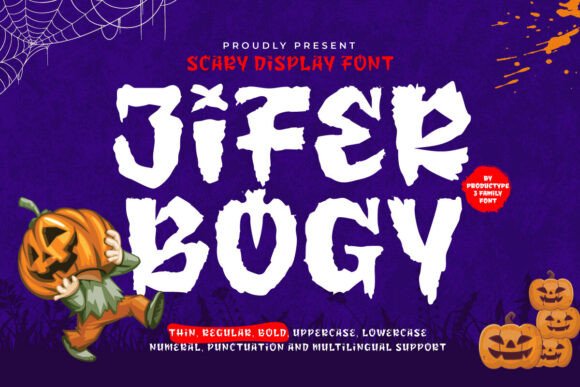
The visual language of horror has evolved significantly over the decades, moving from simple jump scares to atmospheric dread that lingers in the mind. For designers, illustrators, and content creators, capturing this specific mood often begins with typography. A font is not merely a vessel for text; it is an emotional trigger. In the realm of seasonal design, few tools offer as much immediate impact as Jifer Bogy. This custom-crafted display font represents a convergence of gothic tradition and modern grunge aesthetics, designed specifically to breathe eerie life into projects that demand a spine-chilling presence.
While many typefaces claim to be spooky, they often rely on clichés like dripping blood or overly cartoonish shapes that undermine serious horror themes. Jifer Bogy distinguishes itself by focusing on texture, weight, and character irregularity to create a sense of unease without sacrificing legibility. Whether you are a professional graphic designer working on a high-budget movie poster or a small business owner creating merchandise for the autumn season, understanding how to leverage this typeface can elevate your work from generic to genuinely haunting.
The Anatomy of Fear in Typography
To appreciate the utility of Jifer Bogy, one must first understand the mechanics of horror typography. Effective scary fonts manipulate the viewer's perception through specific structural elements. They often feature uneven baselines, jagged edges, and inconsistent stroke widths that mimic the instability of fear. The human brain is wired to detect anomalies, and when applied to letterforms, these anomalies create a subconscious feeling of tension.
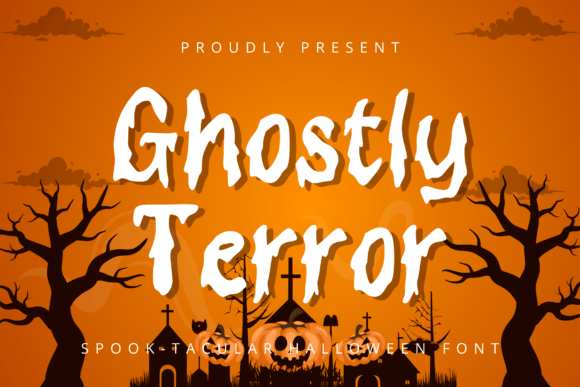
Jifer Bogy excels in this area by incorporating distinct gothic touches that reference historical blackletter styles while integrating contemporary grunge textures. The result is a font that feels ancient yet immediate. The characters possess a boldness that commands attention, making them ideal for headlines where the primary goal is to stop the scroll or halt the reader in their tracks. Unlike standard serif or sans-serif fonts, which prioritize neutrality, every glyph in this set is crafted to inject a dose of horror instantly. The letterforms are not just letters; they are visual narratives of decay and darkness.
Structural Characteristics and Visual Weight
The defining characteristic of this typeface is its heavy visual weight combined with irregular detailing. When rendered at large sizes, the thick strokes create a solid, imposing block of text that feels dangerous. However, upon closer inspection, the edges reveal subtle imperfections—scratches, rough terminations, and asymmetrical curves—that suggest something organic and perhaps malevolent. This duality allows the font to function effectively in both digital environments, where screen resolution can vary, and print media, where ink bleed and paper texture play a role in the final aesthetic.
Furthermore, the spacing within the font family is calibrated to enhance the atmosphere. Tight kerning can make words feel claustrophobic and suffocating, while looser spacing can create a sense of isolation. Designers utilizing Jifer Bogy have the flexibility to adjust these parameters to match the specific tone of their project, whether it is a slasher film poster requiring intense aggression or a ghost story invitation needing a more ethereal, floating quality.
Strategic Applications in Modern Design Workflows
The versatility of a specialized display font like Jifer Bogy lies in its ability to adapt to various mediums and formats. It is not limited to a single use case but rather serves as a foundational element for a wide array of creative outputs. By integrating this font into different workflows, creators can ensure brand consistency across all their horror-themed materials.
Horror Movie Posters and Event Promotion
In the entertainment industry, the poster is the first point of contact between the audience and the film. For horror movies, the typography often carries as much narrative weight as the imagery. Using Jifer Bogy for the title treatment immediately signals the genre to potential viewers. The font's aggressive stance complements dark, moody photography, ensuring that the title does not get lost against shadowy backgrounds. It works particularly well when paired with distressed textures or lighting effects that simulate flickering candlelight or harsh neon signs found in urban exploration settings.
Beyond cinema, event organizers find immense value in this typeface for promotional materials. From haunted house advertisements to local Halloween festivals, the font provides an instant thematic anchor. It transforms a simple announcement into an invitation to experience terror. The bold nature of the characters ensures readability even when viewed from a distance, a critical factor for outdoor signage and billboards.
Printed Invitations and Stationery
For personal and corporate events alike, printed invitations remain a powerful medium for setting expectations. A Halloween party invitation written in Jifer Bogy sets a tone before the guest even arrives. The tactile experience of reading the font on textured paper enhances the gothic aesthetic. Designers can experiment with foil stamping or embossing to add physical depth to the rough edges of the letters, creating a multi-sensory experience that digital screens cannot replicate.
This application extends to educational settings as well. Teachers organizing classroom parties or schools hosting seasonal assemblies can use the font to create engaging, age-appropriate (depending on the intensity) materials that spark excitement among students. The unique characters provide a fun, interactive element that encourages engagement with the event details.
Merchandise and Brand Identity
In the retail sector, the demand for seasonal merchandise is substantial. Clothing brands, accessory makers, and gift shops rely on distinctive graphics to drive sales during the October rush. Jifer Bogy offers a unique selling proposition for products ranging from t-shirts and hoodies to mugs and tote bags. Its striking appearance ensures that the product stands out on crowded shelves or in online marketplaces.
Moreover, businesses looking to establish a long-term identity in the horror niche can adopt this font as part of their logo design. A horror book publisher, a comic book imprint, or a streaming service dedicated to thriller content can utilize the font to create a cohesive visual language. Consistency in typography builds brand recognition, and the memorable nature of Jifer Bogy makes it an excellent choice for logos that need to convey a terrifyingly stylish edge.
Optimizing Readability and Accessibility
While the primary goal of a horror font is to evoke emotion, maintaining readability remains a crucial consideration for professional design. There is a fine line between being atmospheric and being illegible. Jifer Bogy strikes this balance by retaining clear counterforms and recognizable letter structures despite the added stylistic flourishes. This ensures that the message is conveyed effectively, even if the delivery method is unsettling.
Designers should consider the context in which the font will be displayed. For body copy, it is generally advisable to reserve Jifer Bogy for headlines and short phrases only. Long paragraphs of text in such a stylized format can strain the eyes and reduce comprehension. Instead, pairing this display font with a clean, neutral sans-serif for supporting text creates a harmonious contrast. This combination allows the horror elements to shine in the titles while ensuring that practical information, such as dates, times, and locations, remains easily accessible to all users.
Accessibility also involves considering color contrast. Because the font features intricate details and dark tones, placing it against a similarly dark background can render it invisible. To maximize visibility, designers should opt for high-contrast color schemes, such as bright reds, stark whites, or glowing yellows against deep blacks or charcoal greys. This approach not only enhances the spooky vibe but also adheres to web accessibility standards, ensuring that the content is perceivable by individuals with visual impairments.
Implementing Jifer Bogy in Creative Projects
Integrating Jifer Bogy into a design project requires a thoughtful approach to composition and hierarchy. The font is so dominant that it should rarely be used in conjunction with other decorative typefaces. Allowing it to stand alone gives it the space to breathe and exert its full atmospheric influence. When combining it with images, consider using masking techniques or blending modes to integrate the text directly into the environment, making the letters appear as if they are emerging from the shadows or decaying alongside the scene.
For digital applications, animating the font can further enhance its impact. Subtle movements, such as a slow shake, a flickering opacity, or a glitch effect, can bring the static characters to life. These animations should be used sparingly to avoid overwhelming the user. The goal is to create a lingering sense of unease rather than a chaotic distraction. By carefully controlling the pacing and intensity of these effects, creators can craft immersive experiences that resonate deeply with their audience.
Ultimately, the decision to use Jifer Bogy is a commitment to quality and atmosphere. It is a tool for those who refuse to settle for the ordinary and seek to infuse their work with genuine character. Whether for a blockbuster campaign or a local community event, this font provides the necessary ingredients to transform a standard design into a memorable piece of art. Don't just celebrate Halloween—haunt it with the precision and power of Jifer Bogy.