Handful Summer: Integrating a Bold Handwritten Font into Your Design Workflow
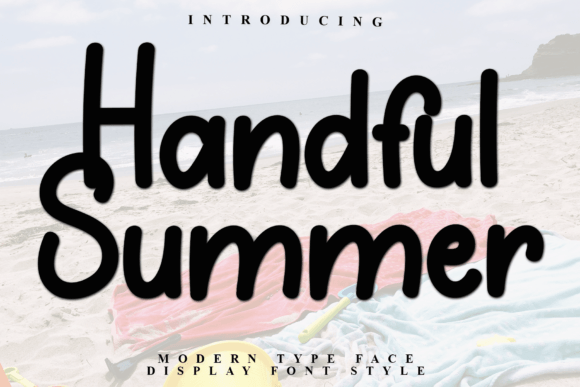
In the landscape of digital typography, finding a typeface that balances professionalism with genuine warmth can be a challenging task. Many designers and content creators struggle to find fonts that convey friendliness without sacrificing legibility or appearing overly casual. Handful Summer addresses this specific gap in the market. It is a bold, handwritten font that feels warm and friendly, designed specifically to capture a cheerful, sunny vibe in any design or project. For professionals ranging from marketers to small business owners, integrating Handful Summer into a workflow requires more than just downloading a file; it demands an understanding of how its unique characteristics interact with broader design systems, brand identities, and user experiences.
Understanding the Role of Handwritten Typography in Professional Projects
Before implementing Handful Summer, it is essential to define where it fits within the broader creative process. Typography is not merely about selecting letters; it is about setting the tone for communication. In a standard corporate environment, sans-serif fonts often dominate due to their neutrality and readability. However, when a project aims to humanize a brand, evoke nostalgia, or create an immediate emotional connection, a handwritten style becomes a strategic asset. Handful Summer serves as a bridge between the rigid structure of formal communication and the organic nature of personal expression.
This font is particularly effective in scenarios where the goal is to reduce friction between the audience and the message. Its playful letters suggest approachability, making complex information feel less intimidating. For educators creating course materials, freelancers designing pitch decks, or publishers working on lifestyle magazines, Handful Summer acts as a visual cue that invites engagement. It signals that the content behind the text is crafted with care and personality, distinguishing the work from the sea of generic, system-default typography.
Strategic Implementation Across Project Phases
The utility of Handful Summer extends throughout the lifecycle of a project, from initial planning to final execution. Understanding how to deploy it at different stages ensures consistency and maximizes its impact.
Pre-Project Planning and Brand Alignment
During the preparation phase, the decision to use a handwritten font like Handful Summer should align with the overall brand strategy. Before purchasing or licensing the font, evaluate whether the "cheerful, sunny vibe" matches the intended message. If a brand identity relies on strict minimalism or high-tech authority, this font might clash unless used very sparingly. However, for businesses focused on wellness, education, community building, or artisanal products, Handful Summer can become a core element of the visual language. At this stage, designers should consider color palettes and imagery that complement the font's warmth. Earth tones, soft pastels, and vibrant yellows often pair well with the energetic strokes of the typeface.
Execution and Design Integration
Once the project moves into the execution phase, the focus shifts to usability and hierarchy. Because Handful Summer is bold and decorative, it excels in headlines, call-to-action buttons, and short phrases. It is generally not suitable for large blocks of body text, where readability could suffer. A practical workflow involves pairing this font with a clean, neutral sans-serif or serif font for the main content. This combination creates a clear visual hierarchy: the handwritten font grabs attention and sets the mood, while the secondary font ensures the information is consumed efficiently.
When working on digital assets such as social media graphics, email newsletters, or website banners, Handful Summer can serve as the primary hook. For instance, a marketer designing a summer sale campaign might use the font for the "Sale" announcement to inject urgency and excitement, while keeping product descriptions in a standard font. This strategic placement leverages the font's strengths without overwhelming the viewer.
Post-Project Review and Consistency
After a project is launched, the long-term use of Handful Summer requires quality control. Consistency is key to building brand recognition. Teams should establish guidelines on when and where to use the font to prevent overuse, which can dilute its effectiveness. Regular audits of marketing materials, website updates, and printed collateral ensure that the font remains a deliberate choice rather than a default setting. Additionally, monitoring user feedback can reveal whether the font is achieving the desired emotional response or if adjustments are needed in sizing, spacing, or pairing.
Workflow Optimization and Tool Compatibility
Integrating Handful Summer smoothly into existing workflows depends heavily on compatibility with current tools and platforms. Most modern design software, including Adobe Creative Cloud, Canva, Figma, and Microsoft Office suites, supports custom font installations. The first step in implementation is ensuring the font files are correctly installed on all devices used by the team. This prevents formatting issues when files are shared or edited collaboratively.
For teams using cloud-based collaboration tools, it is advisable to embed the font or convert text to outlines before sharing final assets, especially if the recipient does not have the font licensed. This preserves the visual integrity of the design. Furthermore, when working with web developers, providing the font in web-optimized formats (such as WOFF2) is crucial for maintaining performance and loading speeds. A slow-loading font can negate the positive user experience the design intends to create.
- Design Software: Ensure version compatibility across Adobe Illustrator, Photoshop, and InDesign for print and digital projects.
- Web Development: Use @font-face rules to integrate Handful Summer into websites, testing rendering across different browsers and mobile devices.
- Content Management Systems: Check if the CMS allows custom font uploads or if a plugin is required to utilize the typeface effectively.
- Collaboration: Establish a shared library or asset management system so all team members access the same version of the font.
Practical Use Cases for Diverse Professionals
The versatility of Handful Summer makes it applicable across various industries and roles. Here is how different professionals can leverage this typeface to enhance their output.
Marketers and Entrepreneurs
For entrepreneurs launching a new product or service, the need to stand out is paramount. Handful Summer can be used in logo designs, packaging, and advertising copy to differentiate the brand from competitors. Its friendly nature helps build trust quickly, which is vital for startups trying to establish a foothold in crowded markets. Marketers can also use it in email subject lines or social media captions to increase open rates and engagement by breaking the monotony of standard text.
Educators and Content Creators
Teachers and online course creators benefit from the approachable aesthetic of Handful Summer. When designing worksheets, presentation slides, or video thumbnails, the font can make learning materials feel less academic and more inviting. It helps reduce cognitive load by signaling that the content is accessible and enjoyable. Bloggers and YouTubers can similarly use the font for channel art and blog headers to reinforce their personal brand voice.
Publishers and Small Business Owners
In publishing, Handful Summer is ideal for book covers, chapter headings, or promotional materials for genres like memoirs, self-help, children's books, or lifestyle guides. Small business owners, particularly those in the food, craft, or service sectors, can use the font on menus, signage, and invoices to add a personal touch. This level of detail often translates to higher customer satisfaction and loyalty.
Best Practices for Quality Control and Long-Term Usability
To ensure that Handful Summer remains an asset rather than a liability, adherence to best practices is necessary. One common pitfall is overusing decorative fonts, which can lead to visual fatigue. Limiting the font to 10–15% of the total text in a layout helps maintain balance. Additionally, paying attention to kerning and leading is critical. Handwritten fonts often have irregular spacing, so manual adjustments may be required to ensure the text looks polished and professional.
Accessibility is another factor to consider. While Handful Summer is visually appealing, it must remain legible for users with visual impairments. Ensuring sufficient contrast between the text and background and avoiding extremely small sizes will help meet accessibility standards. Finally, regularly reviewing the font against current design trends ensures it continues to resonate with the target audience. While timeless qualities are desirable, staying aware of evolving preferences allows for timely updates to the visual strategy.
By treating Handful Summer as a strategic tool within a structured workflow, professionals can harness its potential to create designs that are not only visually striking but also emotionally resonant. Whether planning a new campaign, executing a branding overhaul, or refining a personal portfolio, this bold, handwritten font offers a reliable way to infuse warmth and personality into every project.