Good Rose: Elevating Brand Identity Through Handwritten Display Typography
In the rapidly evolving landscape of digital and print design, typography remains one of the most potent tools for establishing brand voice and emotional resonance. Among the myriad of typefaces available to modern creators, Good Rose has emerged as a standout choice for those seeking to infuse their projects with genuine warmth and approachability. As an endearing handwritten display font, Good Rose exudes charm and friendliness, distinguishing itself from the rigid, geometric sans-serifs that dominate corporate communications. This shift towards more organic, human-centric letterforms reflects a broader industry trend where authenticity is increasingly valued over sterile perfection.
The Essence of Good Rose in Modern Design
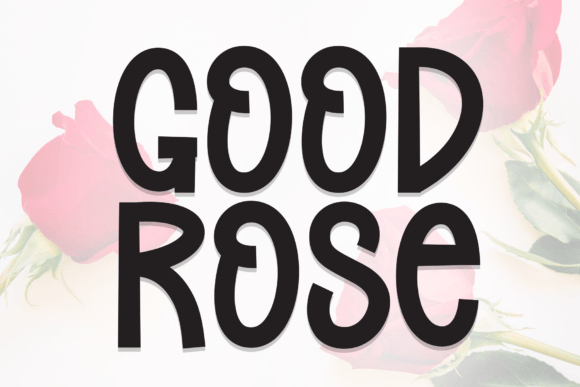
To understand the impact of Good Rose, one must first appreciate its fundamental character. It is not merely a collection of letters; it is a stylistic statement. With its delightful and sprightly style, this font mimics the natural flow of a pen on paper, capturing the imperfections and nuances that make handwriting uniquely human. The strokes are varied, the spacing is rhythmic, and the overall impression is one of joyous vibrancy. For designers, marketers, and entrepreneurs, selecting Good Rose is a deliberate decision to communicate fun-loving energy and personal connection.
This font is particularly effective because it bridges the gap between professional polish and casual intimacy. In a world where consumers are bombarded with algorithmic content and mass-produced imagery, the tactile quality of Good Rose offers a breath of fresh air. It suggests that a real person crafted the message, adding a layer of trust and relatability that standard fonts often struggle to achieve. Whether used for a boutique bakery's logo or a high-end wedding invitation suite, Good Rose promises to add a fun-loving touch to creative endeavors, ensuring the message lands with both clarity and emotion.
Aligning with Consumer Preferences for Authenticity
The rising popularity of fonts like Good Rose is not accidental; it mirrors significant shifts in consumer behavior and market expectations. Today's audiences, ranging from Gen Z to Millennials, are highly attuned to brand narratives that feel authentic. They prefer brands that appear accessible and human rather than distant and corporate. This preference drives the demand for typographic solutions that can convey personality instantly.
When a business adopts Good Rose, they are signaling alignment with these values. The font's friendly nature makes it an ideal match for crafting heartwarming wedding invitations or touching greeting cards, but its utility extends far beyond personal stationery. In the realm of lifestyle branding, where the focus is on well-being, community, and personal stories, Good Rose serves as a visual anchor. It supports the narrative of a brand that cares about its customers on an individual level. This is a crucial differentiator in saturated markets where product features may be similar, but emotional connection determines purchasing decisions.
Strategic Applications Across Industries
The versatility of Good Rose allows it to transcend specific niches, finding relevance in diverse sectors including hospitality, e-commerce, education, and event planning. Its ability to adapt to various contexts while maintaining its core identity makes it a valuable asset for professionals looking to refine their visual communication strategies.
- Wedding and Event Planning: The primary use case for Good Rose lies in its ability to set a tone of celebration and intimacy. For planners and couples alike, the font transforms a simple invitation into a keepsake. The handwritten aesthetic suggests a bespoke experience, elevating the perceived value of the event.
- Greeting Cards and Stationery: In the stationary market, where sentiment is paramount, Good Rose excels at conveying heartfelt messages. It turns generic "Happy Birthday" or "Thank You" notes into personalized expressions of care, making the recipient feel truly seen.
- Small Business Branding: Entrepreneurs launching artisanal products, cafes, or boutiques often struggle to balance professionalism with personality. Good Rose solves this by offering a display font that looks handcrafted yet remains legible and stylish. It helps small businesses stand out against competitors using generic, off-the-shelf typography.
- Digital Marketing and Social Media: Even in the digital space, where screen readability is key, Good Rose finds a home in social media graphics, story overlays, and call-to-action buttons. Its sprightly style captures attention in crowded feeds, encouraging engagement through visual delight.
Integrating Good Rose into Professional Workflows
For designers and freelancers, integrating a font like Good Rose into a workflow requires an understanding of its strengths and limitations. While it is a powerful display font, it is best utilized for headlines, short phrases, and decorative elements rather than long blocks of body text. The changing needs of modern workflows, which prioritize speed and efficiency without sacrificing quality, make Good Rose an excellent choice for rapid prototyping and final execution alike.
Creative teams are increasingly adopting modular design systems where specific fonts are assigned to specific roles within a hierarchy. In such systems, Good Rose acts as the "voice" of the brand—the element that breaks the monotony of structural grids and introduces rhythm. By pairing Good Rose with a clean, neutral sans-serif for body copy, designers can create a balanced composition that is both visually striking and easy to read. This combination respects the user's cognitive load while maximizing aesthetic appeal.
The Broader Context of Human-Centric Technology
The resurgence of handwritten styles in digital environments is part of a larger technological and cultural movement. As artificial intelligence and automation become more prevalent, there is a counter-movement valuing the "human touch." Technologies that simulate handwriting, or fonts that replicate it, serve as a reminder of human creativity and effort. Good Rose fits squarely into this paradigm, offering a digital solution that feels analog.
This trend is evident in the rise of "lo-fi" aesthetics and the rejection of hyper-polished, overly smooth interfaces. Consumers are beginning to associate perfect symmetry with artificiality, whereas slight irregularities—like those found in Good Rose—are associated with sincerity. Marketers who recognize this shift can leverage such typography to build deeper connections with their audience. It is not just about looking good; it is about feeling right.
Observations on Market Dynamics
As we look forward, the demand for distinctive, character-driven typefaces is likely to grow. The market is moving away from one-size-fits-all solutions toward specialized fonts that cater to specific emotional tones. Good Rose represents this specialization perfectly. It is not trying to be everything to everyone; instead, it commits fully to being charming, friendly, and vibrant.
Furthermore, the accessibility of high-quality fonts has democratized design. Freelancers and small business owners no longer need large budgets to access professional-grade typography. This leveling of the playing field means that the quality of visual communication is becoming a critical competitive advantage. Choosing the right font, such as Good Rose, can be the deciding factor in whether a brand resonates with its target demographic or gets lost in the noise.
Practical Considerations for Implementation
When implementing Good Rose in a project, several practical factors should be considered to ensure maximum impact. First, context is king. The font works best when the surrounding design elements support its playful nature. Minimalist layouts allow Good Rose to shine, while cluttered designs can diminish its effect. Second, color plays a significant role. Pairing Good Rose with warm, earthy tones or soft pastels enhances its inherent friendliness, whereas stark black-and-white contrasts can sometimes feel too severe for its delicate strokes.
Additionally, scalability is a consideration. While Good Rose is robust enough for large displays, designers should test its legibility at smaller sizes to ensure the intricate details do not get lost. In responsive web design, this might mean using Good Rose for desktop headers while switching to a simpler alternative for mobile devices, or carefully adjusting font weights to maintain clarity.
Conclusion: Embracing Joyful Vibrancy
In conclusion, Good Rose is more than just a font; it is a strategic tool for connecting with audiences in an increasingly impersonal digital world. Its endearing handwritten style, combined with a sprightly and joyful character, makes it an invaluable asset for anyone looking to craft meaningful, memorable designs. From wedding invitations to brand logos, Good Rose empowers creators to infuse their work with a sense of humanity and warmth.
As the design industry continues to evolve, prioritizing authenticity and emotional resonance will remain paramount. Fonts like Good Rose are at the forefront of this evolution, offering a way to express the unique personality of a brand or message. By embracing this font, professionals and enthusiasts alike can elevate their creative endeavors, ensuring that their work not only informs but also inspires and delights. In a marketplace driven by connection, Good Rose provides the perfect vocabulary to speak directly to the heart.