Branding: How Typography Shapes Your Identity
Effective branding is often mistaken for a simple logo or a catchy slogan, but it is actually the sum of every interaction a customer has with your business. At the heart of this visual identity lies typography—the silent voice that speaks before a single word is read. When you choose a font that is clean and easy to read, you are making a strategic decision about how your audience perceives your professionalism and reliability. A typeface with bold letters that grab attention can transform a standard headline into a powerful call to action, while a simple design ensures that your core message remains accessible to everyone.
The Foundation of Visual Communication
Branding is the practice of defining who you are and communicating that identity consistently across all platforms. It matters because in a crowded digital marketplace, clarity is a competitive advantage. Consumers are bombarded with thousands of messages daily; if your visual presentation is cluttered or difficult to decipher, they will move on instantly. This is where the choice of typography becomes critical. A font designed for modern aesthetics does more than look good; it functions as a tool for efficiency. By selecting a typeface that balances legibility with character, you reduce the cognitive load on your reader, allowing them to focus on your value proposition rather than struggling to parse your text.
Consider the scenario of a small business owner launching a new product line. The packaging needs to communicate quality immediately. If the text is ornate or hard to read, the consumer may assume the product is confusing or low-quality. Conversely, a clean font suggests transparency and confidence. The bold letters within such a typeface serve a specific purpose: they guide the eye to the most important information, such as the brand name or a key benefit. This hierarchy of information is essential for effective branding, ensuring that your message stands out without shouting.
Designing for Modern Audiences
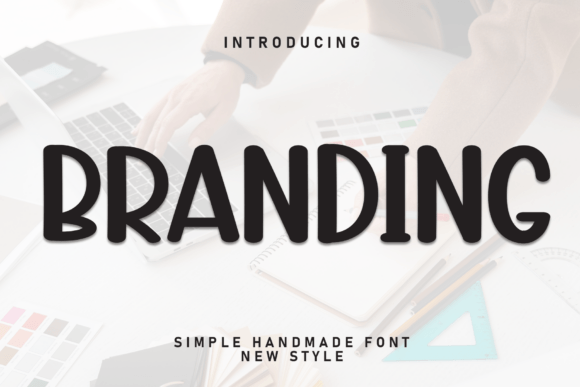
Today's consumers expect brands to feel approachable yet professional. The intersection of these two traits is often found in typography that combines a friendly demeanor with structural strength. A simple design makes it perfect for any brand that wants to look modern and friendly. This aesthetic aligns with current design trends that favor minimalism and functionality over excessive decoration. For professionals, creators, and entrepreneurs, adopting this style signals that you understand contemporary standards and respect your audience's time.
When you use this font to make your message stand out, you are leveraging the psychological impact of readability. Research in user experience (UX) design consistently shows that users form an opinion about a website or document within milliseconds based on its visual layout. Bold headlines act as anchors, drawing the reader in, while the clean body text keeps them engaged. This dynamic is particularly useful for marketers and bloggers who need to maintain high engagement rates. If a headline fails to grab attention, the content beneath it rarely gets read. Therefore, the bold weight of the letters is not just a stylistic choice; it is a functional necessity for capturing interest in a split second.
Practical Applications for Logos and Signage
One of the most common challenges in branding is creating a logo that remains recognizable at various sizes. Whether it appears on a mobile screen, a business card, or a large billboard, the design must hold up. Fonts with clean lines and distinct bold letters are ideal for logos because they retain their integrity when scaled down or viewed from a distance. Unlike decorative scripts that can become illegible blobs at small sizes, a geometric or sans-serif style ensures that your brand name is always clear.
This versatility extends to physical signage as well. For retail stores, restaurants, and event venues, signs are often the first point of contact with potential customers. A sign that is difficult to read creates friction and frustration. By utilizing a typeface that is easy to read, you ensure that passersby can instantly identify your location and what you offer. The simplicity of the design also allows for better integration with other visual elements, such as icons or color blocks, without creating visual chaos. This coherence strengthens the overall brand image, making it memorable and trustworthy.
Streamlining Decision Making for Creators
For freelancers, educators, and publishers, the process of designing marketing materials can be time-consuming. One of the primary benefits of choosing a versatile, clean font is the simplification of the creative workflow. When you have a reliable typeface that works for headlines, subheads, and body copy, you spend less time searching for the "perfect" match for every project and more time focusing on the content itself. This efficiency supports creativity by removing unnecessary friction from the production process.
Furthermore, consistency in typography helps simplify decisions regarding brand guidelines. Instead of debating which font to use for a social media post versus a newsletter, your team can adhere to a single standard. This uniformity improves presentation across all channels, reinforcing the idea that your brand is organized and dependable. For small business owners managing multiple roles, this streamlined approach saves valuable time and reduces the risk of inconsistent messaging that can confuse customers.
Who Benefits Most from Clean Typography?
While almost any organization can benefit from strong branding, certain groups see immediate returns from prioritizing clean, bold typography. Startups and tech companies often rely on a modern look to establish credibility quickly. In industries where trust is paramount, such as finance or healthcare, clarity in communication is non-negotiable. A font that looks modern and friendly can help soften the perception of complex services, making them feel more accessible to the average consumer.
Similarly, hobbyists and side-project creators who are transitioning into full-time businesses need tools that elevate their work without requiring a large budget or extensive design skills. Using a robust typeface allows them to produce professional-grade assets that compete with established brands. Even for educators creating course materials or presentations, the ability to present information clearly directly impacts learning outcomes. Students retain information better when it is presented in a visually structured and readable format.
Navigating Limitations and Fit Considerations
Despite the many advantages of clean, bold typography, it is important to recognize that no single font is a universal solution. While this style is excellent for headlines, logos, and signs, it may lack the nuance required for long-form storytelling or luxury branding that relies on tradition and elegance. In situations where a brand aims to convey heritage, craftsmanship, or extreme sophistication, a serif or script font might be more appropriate.
Users should compare options carefully before committing to a typeface for their entire brand system. Consider the context in which the text will appear. Will it be used primarily on digital screens, where pixel rendering matters, or in print, where ink spread is a factor? Additionally, test the font in different weights and sizes to ensure the bold letters do not overpower the surrounding content. Branding is about balance; even the best font can fail if it is used incorrectly or in the wrong environment.
Ultimately, the goal of branding is to create a lasting impression that drives action. By integrating a font that is clean, easy to read, and capable of grabbing attention, you lay a solid foundation for that connection. Whether you are building a logo, designing a sign, or crafting a headline, remember that typography is a powerful tool. Use it strategically to ensure your message stands out, resonates with your audience, and supports your broader business goals. The right choice in design can turn a casual observer into a loyal customer, proving that the details truly matter in the world of branding.