Enrox: A Bold Typeface for High-Impact Visual Communication
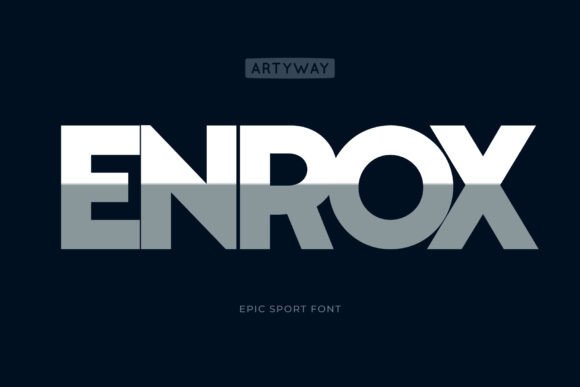
In the crowded landscape of digital and print media, the ability to communicate a message instantly is a critical asset. Designers and content creators often struggle with balancing aesthetic appeal against readability, especially when space is limited. This is where Enrox enters the workflow as a strategic solution. Enrox is not merely a decorative font; it is a functional tool engineered to deliver powerful messages with minimal spatial footprint. Its strong, bold structure makes it an ideal candidate for headlines, posters, and branding projects that demand both clarity and intensity.
For professionals ranging from marketing managers to freelance graphic designers, selecting the right typeface is rarely just about style. It is a decision that impacts user engagement, brand perception, and the overall efficiency of the design process. Understanding how to integrate Enrox into your creative pipeline can transform a standard project into a compelling visual experience. This guide explores the practical application of Enrox, focusing on its role in editorial design, advertising, and digital media, while offering actionable insights on implementation and compatibility.
The Role of Enrox in Strategic Design Workflows
When approaching a new project, the selection of typography usually occurs early in the planning phase. However, many designers treat font selection as an afterthought, choosing styles based on trends rather than function. Integrating Enrox requires a shift in this mindset. Because Enrox is characterized by its clean and solid appearance, it serves best as a primary anchor for visual hierarchy. It excels in situations where the goal is to arrest attention immediately without requiring the viewer to decipher complex letterforms.
In a typical workflow, Enrox fits naturally during the concept development stage. Before finalizing layouts or color palettes, consider the core message you need to convey. If the objective is to project strength, authority, or urgency, Enrox becomes a foundational element. For instance, in advertising campaigns where headline real estate is premium, using a thinner or more ornate font might dilute the impact. Enrox ensures that even at smaller sizes or within tight margins, the text remains legible and impactful. This efficiency allows designers to allocate more space to imagery or supporting copy, optimizing the overall composition.
Furthermore, Enrox interacts seamlessly with other design assets. Its geometric yet robust nature allows it to pair well with minimalist photography, abstract illustrations, and data-driven infographics. When used in conjunction with sans-serif body fonts, Enrox creates a distinct contrast that guides the reader's eye through the content. This interplay between the bold header and the readable body text is essential for maintaining flow in long-form editorial pieces or complex landing pages.
Implementing Enrox in Branding and Identity Projects
Branding is perhaps the most demanding arena for typography. A logo or brand mark must be versatile enough to appear on everything from a business card to a billboard while retaining its identity. Enrox offers the structural integrity required for such versatility. Its bold weight ensures that the brand name remains visible even when scaled down for mobile screens or embossed on packaging materials.
For small business owners and entrepreneurs building a brand from scratch, consistency is key. Using Enrox across various touchpoints—social media graphics, email headers, and physical signage—creates a cohesive visual language. This consistency reduces cognitive load for the audience, making the brand easier to recognize and remember. When implementing Enrox in a brand identity system, it is crucial to establish clear usage guidelines. Define specific weights, kerning adjustments, and minimum size requirements to ensure the font does not lose its impact when applied by different team members or vendors.
Consider the scenario of a rebranding initiative. If a company wants to pivot its image to appear more modern and assertive, switching to a typeface like Enrox can signal this change effectively. The transition should be managed carefully. Start by applying Enrox to high-visibility elements like the main logo and primary headlines. Monitor audience reaction and engagement metrics before rolling it out to secondary materials. This phased approach minimizes risk and allows for adjustments based on real-world performance.
Optimizing Space Efficiency in Digital Media
Digital environments present unique challenges regarding screen real estate. Users often scan content quickly, spending only seconds on a page before deciding whether to engage further. In this context, Enrox acts as a powerful tool for information density. Its compact yet legible forms allow designers to fit significant amounts of text into restricted areas without sacrificing readability.
This is particularly relevant for mobile-first design strategies. On smartphones, horizontal space is scarce. Headlines that span multiple lines can disrupt the user experience and push critical content below the fold. Enrox's ability to maintain clarity in condensed formats makes it an excellent choice for mobile app interfaces, responsive websites, and social media stories. By reducing the vertical space required for headlines, designers can prioritize interactive elements and calls to action, potentially increasing conversion rates.
Moreover, Enrox performs well in dynamic environments where text may need to adapt to varying container sizes. Whether embedded in a video overlay, a notification banner, or a live dashboard, the font retains its structural integrity. This adaptability reduces the need for extensive manual tweaking during the development phase, streamlining the production timeline for web developers and UI/UX designers.
Practical Considerations for Long-Term Use
While the immediate visual impact of Enrox is undeniable, sustainable use requires careful consideration of technical and organizational factors. One of the primary concerns in any design workflow is file compatibility and licensing. Ensure that the version of Enrox you are using supports all necessary character sets and languages if your target audience is international. Missing glyphs can disrupt the professional quality of a project and require time-consuming workarounds.
Quality control is another essential aspect of integrating Enrox into a long-term strategy. Regularly audit your design assets to ensure that the font is being applied correctly. Check for issues such as improper kerning, inconsistent spacing, or overuse that might lead to visual fatigue. Even the strongest typeface can become ineffective if applied indiscriminately. Establish a style guide that dictates when and where Enrox should be used, ensuring that it remains a highlight rather than a default option.
Additionally, consider the accessibility implications of your typographic choices. While Enrox is designed for high visibility, ensure that the contrast ratios between the text and background meet WCAG standards. This is vital for inclusive design, ensuring that your content is accessible to users with visual impairments. By prioritizing accessibility, you not only expand your potential audience but also demonstrate a commitment to ethical design practices.
Enhancing Collaboration and Team Efficiency
In collaborative environments, such as marketing agencies or publishing houses, having a standardized set of tools can significantly improve team efficiency. Introducing Enrox into a shared design system can streamline communication between designers, copywriters, and stakeholders. When everyone understands the specific strengths and limitations of the typeface, feedback loops become shorter and more productive.
For example, when a copywriter drafts a headline, knowing that Enrox will be the final presentation format can influence their word choice. They might opt for punchier, more concise phrasing to leverage the font's bold nature. This alignment between content creation and visual execution prevents last-minute revisions and ensures that the final output aligns with the project's goals. Encourage cross-functional workshops where team members can explore how Enrox interacts with different content types, fostering a deeper understanding of its capabilities.
Furthermore, organizing your digital assets around Enrox can simplify project management. Create dedicated folders for templates, icons, and color palettes that complement the font. This organization reduces the time spent searching for compatible resources and allows team members to focus on creativity rather than logistics. Over time, this structured approach builds a robust library of reusable assets, accelerating future projects and maintaining brand consistency across diverse initiatives.
Conclusion on Workflow Integration
Integrating Enrox into your design practice is more than a stylistic choice; it is a strategic decision that influences how your message is received and remembered. From its initial application in branding projects to its role in optimizing digital spaces, Enrox offers a reliable solution for those seeking clarity and intensity. By understanding its strengths, preparing your workflow accordingly, and maintaining rigorous quality control, you can maximize its potential to deliver compelling visuals.
Whether you are a seasoned designer refining a corporate identity or an entrepreneur launching a new product, the principles of effective typography remain constant. Enrox provides the foundation for these efforts, offering a clean, solid, and efficient way to stand out in a saturated market. As you move forward with your next project, consider how this powerful typeface can enhance your process, improve your outcomes, and elevate the overall quality of your work.