Comic Spooky: The Bold, Marker-Style Typeface for Playful Horror
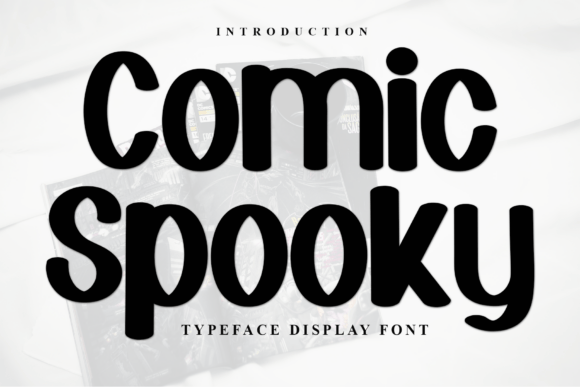
In the vast landscape of digital typography, few styles manage to balance whimsy and unease as effectively as Comic Spooky. This unique typeface distinguishes itself not through traditional serif or sans-serif structures, but by mimicking the raw, energetic strokes of a thick marker pen. It is a font that looks hand-drawn, imperfect, and undeniably bold. For designers, educators, and content creators looking to inject a specific kind of personality into their work, Comic Spooky offers a distinct visual language. It captures the essence of a child's Halloween drawing while maintaining enough legibility for professional application.
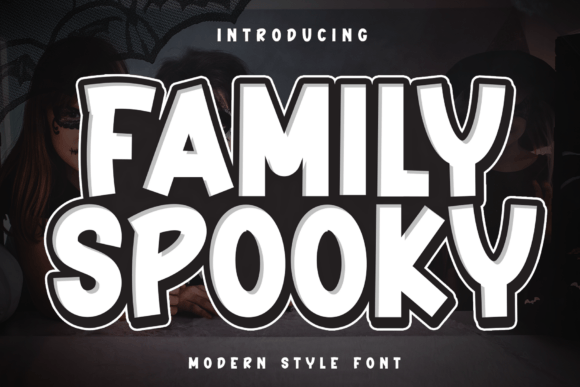
The aesthetic of Comic Spooky is rooted in its "marker" quality. Unlike vector fonts that strive for mathematical perfection, this typeface embraces wobble, uneven stroke widths, and organic edges. These characteristics are intentional design choices that evoke a sense of immediacy and human touch. When you see text rendered in this style, it feels less like it was typeset by a machine and more like it was scrawled onto a tombstone, a haunted house sign, or a trick-or-treat bag with enthusiasm. This inherent playfulness makes it an ideal candidate for projects that require a spooky twist without descending into genuine terror or intimidation.
The Anatomy of a Hand-Drawn Aesthetic
To truly understand why Comic Spooky resonates with so many users, one must examine its structural components. The font is designed to replicate the physical limitations and expressive potential of a felt-tip marker. In the real world, when someone writes with a marker on paper, the ink bleeds slightly, the pressure varies, and the lines are rarely perfectly straight. Comic Spooky digitizes these imperfections.
The letterforms feature rounded terminals and exaggerated curves that suggest movement. There is a slight jitter to the vertical stems, preventing the text from feeling static or rigid. This "shaky" quality is crucial for establishing the spooky vibe. In horror storytelling, instability often equates to fear; however, because Comic Spooky keeps the shapes recognizable and bouncy, the fear remains lighthearted. It is the difference between a terrifying monster movie and a cartoonish ghost story.
Furthermore, the weight of the font is consistently heavy. This boldness ensures that even at smaller sizes, the character of the font remains visible. The thickness of the strokes mimics the broad tip of a marker, making the text pop against backgrounds. Whether used on a dark background to simulate glowing neon signs or on a light background to resemble chalk on pavement, the high contrast of the bold strokes ensures readability. This combination of organic texture and structural weight is what sets Comic Spooky apart from other display fonts that might rely solely on decorative elements like drips or bats.
Psychological Impact of Playful Typography
Typography is never neutral; it always carries emotional weight. When a brand or creator chooses a font, they are selecting a tone of voice. Comic Spooky speaks in a voice that is mischievous, fun, and slightly eerie. This psychological impact is particularly valuable for seasonal marketing. During October, consumers are primed for themes of mystery and fright, but they also crave entertainment and community.
Using a font that is too scary can alienate families or younger audiences. Conversely, a standard playful font might lack the thematic relevance needed for Halloween campaigns. Comic Spooky bridges this gap. It signals to the viewer that the content is safe, fun, and themed appropriately. This is why it is frequently found in educational settings, where teachers use it to create engaging worksheets about autumn folklore or science experiments involving slime and shadows. The font lowers the barrier to entry for children who might otherwise be intimidated by darker imagery.
For business owners, this psychological nuance is a powerful tool. A bakery selling pumpkin spice cupcakes does not want to look menacing; they want to look festive. By using Comic Spooky for their signage or social media graphics, they communicate a brand personality that is approachable yet seasonally aware. The font acts as a visual cue that says, "We are in on the joke," creating a shared moment of fun with the customer.
Practical Applications Across Industries
The versatility of Comic Spooky extends far beyond simple holiday decorations. Its unique blend of boldness and quirkiness allows it to serve various functional roles across different sectors. From event planning to product packaging, the font adapts to contexts that require a lively and slightly spooky vibe.
- Event Promotion: Halloween parties, haunted hayrides, and costume contests rely heavily on visual communication. Comic Spooky is perfect for posters, flyers, and digital invitations. Its large, bold letters are easy to read from a distance, ensuring that key information like dates and locations stand out immediately. The hand-drawn feel adds a personal touch, suggesting that the event will be informal and enjoyable rather than corporate and stiff.
- Packaging Design: Product packaging for seasonal treats, novelty items, or craft kits benefits immensely from this typeface. Imagine a box of candy corn or a kit for making homemade mummies. Using Comic Spooky on the front of the package instantly categorizes the product as fun and thematic. It helps the item stand out on crowded store shelves, catching the eye of shoppers looking for something special for the season.
- Educational Materials: Teachers and curriculum developers often struggle to make learning materials exciting during the fall months. Comic Spooky can be used to highlight headings in lesson plans, create engaging headers for reading comprehension passages, or decorate certificates for students who complete spooky-themed challenges. It transforms mundane tasks into adventures, increasing student engagement without distracting from the core educational content.
- Digital Content and Web Design: In the realm of web development and graphic design, Comic Spooky serves as an excellent accent font. While it may not be suitable for long-form body text due to its stylized nature, it works brilliantly for headlines, call-to-action buttons, and section dividers. A website hosting a blog about horror movies or a shop selling witchcraft supplies can use the font to establish a cohesive visual identity that feels authentic and spirited.
Integrating Comic Spooky into Brand Identity
For businesses that operate year-round but wish to incorporate seasonal flair, integrating Comic Spooky requires a strategic approach. It should generally be reserved for specific campaigns or limited-time offers to maintain its novelty. Overuse can dilute the impact, making the brand appear gimmicky rather than clever.
However, for brands whose core identity revolves around creativity, humor, or the supernatural, Comic Spooky can be a permanent fixture. Consider a comic book publisher, a toy manufacturer specializing in action figures, or a streaming service dedicated to animated horror. For these entities, the font aligns naturally with their mission statement. It reinforces the idea that their products are bold, unapologetic, and full of character.
When implementing the font into a broader brand strategy, consistency is key. Designers should pair Comic Spooky with cleaner, more neutral typefaces for body copy. This creates a hierarchy where the playful headline grabs attention, and the readable text delivers the message. This contrast ensures that the document or webpage remains accessible to all users, including those with visual impairments who might struggle with highly stylized scripts.
Technical Considerations for Designers
While Comic Spooky is visually striking, working with it requires an understanding of its technical limitations and strengths. As a display font, it is optimized for larger sizes. When scaled down below 14 points, the intricate details of the marker strokes can become muddy, reducing legibility. Designers should avoid using it for paragraphs of dense text, legal disclaimers, or small print instructions.
Spacing and kerning are also critical factors. Because the letters have irregular shapes and varying widths, automatic spacing algorithms sometimes fail to place them correctly. Manual adjustment may be necessary to ensure that the letters do not collide or drift too far apart. The "wobbly" nature of the font means that tight tracking can cause the strokes to overlap in unintended ways, creating visual clutter. Conversely, excessive spacing can break the rhythm of the word, making it difficult to read as a cohesive unit.
Color selection plays a significant role in maximizing the impact of Comic Spooky. High-contrast combinations work best. Bright orange against deep black, neon green against purple, or white against a dark charcoal background all enhance the visibility of the bold strokes. Avoid using the font in colors that blend too closely with the background, as the lack of sharp edges means the text relies on color differentiation to define its shape.
Accessibility and Readability
In an era where digital accessibility is paramount, designers must consider how Comic Spooky affects users with dyslexia or visual processing disorders. The irregular shapes and simulated handwriting style can pose challenges for some readers. While the font is generally legible due to its bold weight, it should not be used for critical information that requires precise decoding, such as safety warnings or navigation menus.
Best practice suggests using Comic Spooky strictly for decorative purposes or headlines where the context provides clues to the meaning. For example, a heading that reads "Spooky Stories" is easily understood even if the individual letters are slightly distorted. However, a paragraph explaining the rules of a game should be set in a standard sans-serif font to ensure clarity. By respecting these boundaries, creators can enjoy the aesthetic benefits of Comic Spooky without compromising the user experience.
Creative Workflows and Implementation
Incorporating Comic Spooky into a creative workflow is straightforward, provided the designer has access to the appropriate software tools. Most modern graphic design applications support custom font installation, allowing users to import the font file and utilize it alongside their existing libraries. Once installed, the font behaves like any other typeface, offering standard formatting options such as bold, italic (if available), and size adjustments.
For those working in web design, the process involves converting the font into a web-friendly format like WOFF or WOFF2. This ensures fast loading times and cross-browser compatibility. CSS styling can then be applied to control the font family, line height, and letter spacing. It is important to test the font across various devices, as the rendering of complex glyphs can vary between operating systems and screen resolutions.
Collaboration is another aspect of the workflow. When sharing files with clients or team members, it is essential to embed the font or outline the text to prevent substitution errors. If the recipient does not have Comic Spooky installed, the software may default to a generic font, ruining the intended visual effect. Outlining the text converts the characters into vector shapes, locking in the design regardless of the software environment.
Ultimately, Comic Spooky represents more than just a collection of letters; it is a tool for storytelling. It invites the audience into a world where the spooky is celebrated with joy and creativity. Whether used to announce a neighborhood parade, label a jar of homemade cookies, or title a chapter in a children's book, this font brings a consistent energy that is both bold and inviting. By understanding its characteristics, applications, and limitations, professionals and hobbyists alike can harness its power to create designs that are memorable, effective, and undeniably fun.