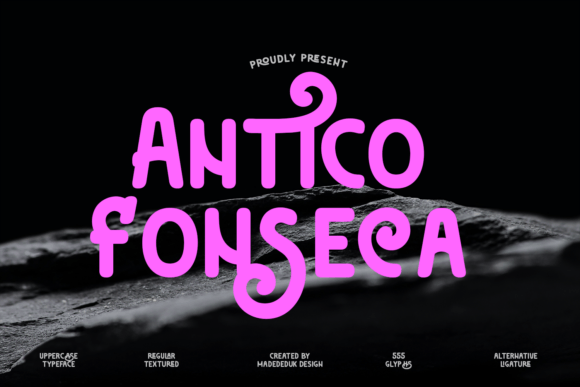
Antico Fonseca: A Vintage Typography Style
There is a distinct power in typography that feels like it has been around for centuries, yet remains strikingly modern when applied with intention. Antico Fonseca captures this essence perfectly. It is not merely a font; it is a design tool that bridges the gap between historical craftsmanship and contemporary branding needs. For designers, marketers, and entrepreneurs looking to inject character into their visual identity, this vintage typography style offers a robust foundation. Whether you are crafting a logo for a boutique coffee shop or designing a book cover for a classic novel, Antico Fonseca provides the structural integrity and aesthetic charm required to stand out.
The Essence of Antico Fonseca
At its core, Antico Fonseca is designed to evoke the spirit of traditional letterpress printing while maintaining the clarity needed for digital applications. The typeface features strong, confident strokes that mimic the texture of ink on paper. What makes this font particularly interesting is its versatility. It does not rely on excessive ornamentation to make an impact; instead, it uses weight, proportion, and subtle textural details to create a sense of authority and heritage.
Unlike many decorative scripts that struggle with legibility, Antico Fonseca maintains excellent readability even at smaller sizes. This balance allows it to function effectively as both a display font for headlines and a body font for short quotes or captions. The "vintage" label often implies fragility or difficulty in use, but this typeface disproves that notion. It cooperates seamlessly with other design elements, making it a reliable choice for projects that demand a traditional style without sacrificing functionality.
Regular and Textured Variations
One of the most compelling aspects of Antico Fonseca is the inclusion of multiple styles within the family. The regular version offers clean lines that are perfect for high-contrast environments, such as black text on white backgrounds or light-colored overlays on dark images. However, the textured variation is where the font truly shines. This style introduces a grainy, worn effect that simulates the look of aged paper or distressed metal.
Using the textured variant can instantly add depth to a flat design. For instance, applying the textured Antico Fonseca to a badge logo creates an immediate perception of history and authenticity. It suggests that the brand has stood the test of time. Designers should be mindful, however, to use the textured style sparingly. While it adds character, overuse can lead to visual clutter. The key is to pair the textured font with clean, minimal background elements to let the typography breathe.
Creative Applications and Project Ideas
The utility of Antico Fonseca extends far beyond simple text placement. Its unique structure makes it ideal for creating logotypes and badges. When designing a logo, the goal is often to communicate trust and quality. The bold serifs and sturdy forms of Antico Fonseca convey exactly that. Imagine a brewery using this font for its label; the vintage feel aligns naturally with the concept of artisanal brewing traditions. Similarly, a law firm or a consultancy might use the regular style to project stability and experience.
- Brand Logos: Use the bold weights to create a standalone wordmark that serves as the primary identifier for a business.
- Product Packaging: Apply the textured style to labels for food, beverages, or skincare products to emphasize natural ingredients and handcrafted methods.
- Event Invitations: Utilize the elegant curves for wedding invitations, gala announcements, or conference programs to set a sophisticated tone.
- Editorial Design: Incorporate the font for chapter headings or pull quotes in magazines and books to enhance the reading experience.
Leveraging Alternatives and Ligatures
A standout feature of Antico Fonseca is its extensive library of alternative characters and ligatures. These special features allow designers to customize the appearance of the text without needing to manually draw every element. Ligatures connect specific letter combinations, smoothing out the flow of words and preventing awkward gaps. This is particularly useful for long titles or names where spacing can become an issue.
Alternative glyphs offer even more creative freedom. You might find multiple versions of a single letter, each with slightly different flourishes or terminal shapes. By mixing these alternatives, you can create a unique typographic arrangement that feels bespoke. For example, swapping a standard 'A' for a more ornate version in a logo can give the design a signature flair. This level of customization ensures that your final output feels original and tailored specifically to your project's needs, rather than looking like a generic template.
Adapting for Different Audiences and Platforms
While Antico Fonseca has a distinct vintage character, it is adaptable enough to work across various platforms and for diverse audiences. For digital marketers targeting a younger demographic, the challenge is often to make retro styles feel fresh rather than outdated. The solution lies in pairing Antico Fonseca with modern sans-serif fonts and vibrant color palettes. This contrast creates a dynamic visual language that appeals to Gen Z and Millennials who appreciate nostalgia but value modern aesthetics.
For small business owners and freelancers, consistency is key. Whether you are posting on Instagram, updating your website, or printing business cards, using Antico Fonseca consistently helps build brand recognition. On social media, the font works exceptionally well in story overlays and post headers. Its bold nature ensures it remains readable even on mobile screens with varying resolutions. However, always ensure there is sufficient contrast between the text and the background image to maintain accessibility.
Educators and publishers can also benefit from this typeface. In educational materials, the clear structure of the letters aids in comprehension, while the vintage style can make learning about history or literature more engaging. For publishers, it offers a way to distinguish new releases from competitors by giving them a classic, literary feel that resonates with book lovers.
Maintaining Clarity and Consistency
To get the most out of Antico Fonseca, it is essential to keep results clear and organized. Avoid stacking too many different font weights or textures in a single layout. Choose one primary style—either regular or textured—and stick with it for the main message. Use the alternative characters and ligatures to add interest, but do not let them overwhelm the viewer. The goal is to guide the eye smoothly through the content.
When working with logos, simplicity often yields the best results. Let the strength of the typeface speak for itself. If you are creating a badge, consider enclosing the text in a simple geometric shape to frame it effectively. Remember that good design is about what you leave out as much as what you put in. By respecting the inherent qualities of Antico Fonseca, you can create designs that are not only visually appealing but also functional and memorable.
Final Thoughts on Creative Direction
Antico Fonseca represents a thoughtful approach to typography that honors the past while serving the present. It offers creators a powerful tool to express tradition, quality, and authenticity. Whether you are a professional designer or a hobbyist exploring new ideas, this font provides a solid starting point for your next project. By understanding its features, from the textured variations to the intricate ligatures, you can unlock a wide range of creative possibilities. Embrace the vintage style, experiment with the alternatives, and let Antico Fonseca help you craft a visual identity that stands the test of time.