Akina: A Bold Serif Font for Dynamic Design Workflows
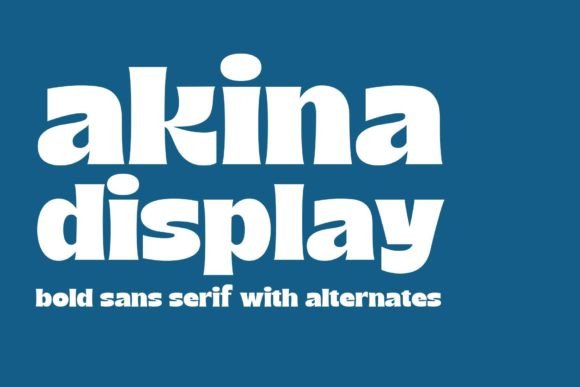
In the landscape of modern typography, finding a typeface that balances historical reference with contemporary energy is a persistent challenge. Akina emerges as a solution to this specific design problem, offering a bold serif structure inspired by the charm of vintage-pop art. Unlike generic display fonts that often lack versatility, Akina provides thick, playful curves and subtle beak endings that create a relaxed yet fun vibe. For professionals ranging from branding agencies to independent freelancers, integrating Akina into a project is not merely about selecting a font file; it is about adopting a visual strategy that brings energy and warmth to complex communication tasks.
Understanding the Visual Language of Akina
Before implementing any typeface, it is crucial to understand its inherent characteristics and how they influence the viewer's perception. Akina is defined by its distinct geometry. The thick strokes provide immediate impact, making it an ideal choice for headlines and logos where visibility is paramount. However, the defining feature lies in the subtle beak endings and the playful curvature of the letterforms. These details soften the boldness, preventing the text from feeling aggressive or overly rigid.
This duality allows Akina to function effectively within a broader creative process. When a designer approaches a new brand identity, the initial phase involves mood boarding and conceptualizing the brand voice. If the goal is to convey approachability mixed with confidence—common in lifestyle brands, creative studios, or food packaging—Akina serves as a primary anchor. Its vintage-pop inspiration taps into nostalgia while maintaining enough structural integrity to feel modern. This makes it a strategic asset during the early planning stages of a project, helping teams align on a visual direction that feels both established and fresh.
Strategic Integration into Branding Projects
The most effective use of Akina occurs when it is treated as a core component of a brand system rather than a decorative afterthought. In the workflow of creating a logo, Akina shines due to its high contrast and unique character shapes. Designers can leverage the font's stylistic alternates to customize specific letters, ensuring the final mark is distinctive and legally defensible. For instance, modifying the terminal of a capital 'A' or adjusting the curve of an 'S' can transform a standard wordmark into a proprietary symbol.
Once the logo is established, the implementation phase requires careful consideration of hierarchy. Akina works best as a display typeface. It should be reserved for headlines, navigation elements, and key messaging points. Pairing it with a neutral sans-serif or a clean geometric slab serif for body copy ensures readability without competing for attention. This pairing strategy is essential for maintaining consistency across various touchpoints, from business cards to digital interfaces. By limiting Akina to high-impact areas, designers maintain clarity while injecting personality into the brand ecosystem.
- Logo Design: Use Akina as the primary wordmark, utilizing alternates for uniqueness.
- Headlines: Apply to H1 and H2 tags in web design or magazine covers.
- Packaging: Feature prominently on front-of-pack labels to grab shelf attention.
- Motion Graphics: Animate the thick curves to add kinetic energy to video content.
Workflow Optimization and Tool Compatibility
Integrating Akina into a professional workflow requires attention to technical compatibility and organization. Most modern design software, including Adobe Illustrator, Photoshop, InDesign, and Figma, supports OpenType features, which are critical for unlocking Akina's full potential. During the execution phase, designers must ensure that the font files are properly installed and linked within their projects to prevent rendering errors during handoff.
A significant advantage of Akina is its multilingual support. For global brands or projects targeting diverse audiences, this feature streamlines the localization process. Instead of sourcing separate typefaces for different scripts, teams can maintain typographic consistency across English, Spanish, French, German, and other supported languages. This reduces the time spent on asset management and ensures that the brand voice remains uniform regardless of the market. When setting up a master template in InDesign or a style guide in Figma, including Akina as a default display font simplifies the collaboration between copywriters, editors, and graphic designers.
Managing Stylistic Alternates
One of the practical challenges in using feature-rich fonts like Akina is managing the available alternates. The font includes multiple variations for certain characters, allowing for fine-tuning of the design. To use these efficiently, designers should create a "glyph palette" or a custom keyboard layout if working frequently with the typeface. In vector-based workflows, accessing the OpenType panel to swap alternates allows for rapid iteration. For example, testing three different versions of the letter 'g' can significantly alter the perceived weight and balance of a headline. Documenting these choices in a style guide ensures that all team members apply the same alternates consistently, preserving the intended aesthetic quality.
Application Across Media Formats
The versatility of Akina extends beyond static print and digital screens into motion graphics and physical packaging. In motion design, the thick curves of Akina animate smoothly, allowing for morphing effects and bouncy transitions that align with the font's playful nature. Video editors and motion artists can use Akina for title sequences, lower thirds, and call-to-action overlays. The high contrast of the strokes ensures legibility even against busy backgrounds, provided there is sufficient spacing or a drop shadow applied.
In the realm of packaging, Akina offers a tactile appeal. When printed on textured paper or embossed on cardboard, the beak endings and curves catch the light, adding a premium feel to the product. This interaction between the font's geometry and physical materials enhances the unboxing experience. Brands focusing on artisanal goods, craft beverages, or boutique fashion can leverage this effect to differentiate themselves on crowded shelves. The font's ability to scale well—from small bottle caps to large billboard advertisements—makes it a reliable choice for omnichannel marketing campaigns.
Quality Control and Long-Term Usability
Sustaining the quality of a design over time requires rigorous quality control measures. When using Akina, it is important to monitor kerning and leading closely, especially at smaller sizes. While the font is designed for headlines, pushing it too far into body text territory can compromise readability due to its intricate details. Regular audits of brand assets ensure that the font is being used correctly and that no unauthorized modifications have been made to the glyph shapes.
Furthermore, considering the long-term viability of a typeface is part of sound project planning. Trends in design shift rapidly, but fonts rooted in strong historical references, like Akina's vintage-pop inspiration, tend to age better than purely trendy styles. By choosing a typeface with such depth, businesses protect their brand identity from looking dated in a few years. This foresight reduces the need for costly rebranding efforts down the line. Educating stakeholders on the rationale behind choosing Akina helps secure buy-in and ensures that the font remains a consistent element of the brand strategy.
Practical Implementation Tips
To maximize the effectiveness of Akina in your own work, consider the following practical steps:
- Define Usage Rules: Clearly specify in your brand guidelines where Akina should and should not be used. Limit it to headers and logos to maintain impact.
- Test Contrast: Always preview Akina against various background colors and textures to ensure the thick strokes remain legible.
- Leverage Multilingual Features: If your project involves international markets, test the font in all required languages early in the process to check for alignment issues.
- Explore Alternates: Spend time reviewing the OpenType menu to find alternate glyphs that best suit the specific context of your design.
- Pair Strategically: Select a complementary secondary font that provides a neutral backdrop, allowing Akina to stand out without clashing.
By treating Akina as a functional tool within a structured workflow, creators can harness its unique energy to produce designs that are both visually striking and strategically sound. Whether you are launching a new product, refreshing a website, or developing a comprehensive brand identity, this bold serif font offers the flexibility and character needed to make a lasting impression. Its blend of vintage charm and modern utility ensures that it remains a valuable asset in the toolkit of any serious designer.