Introducing Raw Paint: The Ultimate Textured Brush SVG Font for Authentic Design
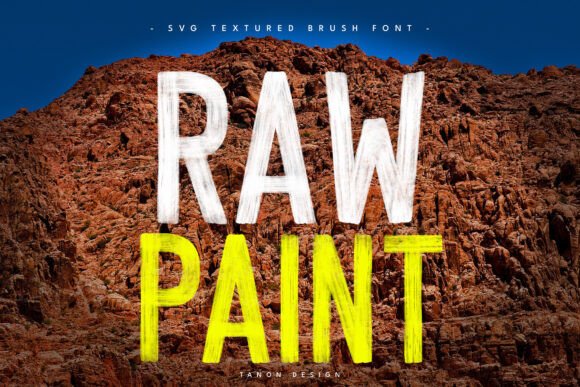
In the rapidly evolving world of digital design, there is a persistent longing for the tactile and the imperfect. While sleek, geometric sans-serif fonts dominate corporate branding and user interfaces, they often lack the soulful connection that human hands bring to a piece of art. This is where Raw Paint steps in, bridging the gap between digital precision and organic creativity. Introducing Raw Paint – a textured brush SVG font with a realistic, handwritten style that transforms static text into dynamic visual statements. Whether you are crafting a logo for a local coffee shop or designing a limited-edition t-shirt collection, understanding how to leverage this tool can elevate your work from standard to extraordinary.
The Evolution of Digital Typography: From Pixels to Texture
To truly appreciate Raw Paint, one must first understand the context of modern typography. For decades, digital fonts were defined by their smooth curves and perfect consistency. TrueType and OpenType formats revolutionized readability on screens, but they often resulted in a sterile aesthetic. As design trends shifted towards authenticity, minimalism gave way to maximalism, and clean lines began to be replaced by expressive strokes.
The rise of the "handmade" aesthetic in the digital age is not just a trend; it is a reaction against the homogenization of the internet. People crave content that feels personal, crafted, and unique. This is the core philosophy behind Raw Paint. Unlike traditional vector fonts that use mathematical paths to create uniform shapes, Raw Paint utilizes Scalable Vector Graphics (SVG) technology to embed texture directly into the letterforms. This allows the font to mimic the chaotic beauty of actual paint hitting a surface, complete with bristle marks, drips, and uneven edges.
Why SVG Matters for Textured Fonts
A common misunderstanding among beginners is assuming that all digital fonts function the same way. However, the file format plays a crucial role in how texture is rendered. Standard raster images (like JPEGs or PNGs) lose quality when scaled up, resulting in pixelation. Traditional vector fonts (like OTF or TTF) scale infinitely but struggle to maintain complex textures without becoming massive file sizes or losing detail.
Raw Paint solves this by leveraging the power of SVG. An SVG font allows for intricate detailing within each character while remaining fully scalable. You can shrink a letter down to fit on a business card or blow it up to cover a billboard, and the texture will remain crisp and sharp. This technical advantage makes Raw Paint an indispensable asset for professional designers who need versatility without compromising on quality.
Practical Applications: Where Raw Paint Shines
The true value of a font lies in its application. Raw Paint is not merely a stylistic choice; it is a functional tool that enhances communication across various mediums. Its realistic, handwritten style adds an emotional layer to projects that would otherwise feel cold or robotic.
- T-Shirt and Apparel Design: In the fashion industry, authenticity sells. A band logo or a motivational quote printed on a t-shirt looks significantly more impactful when it appears hand-painted rather than digitally stamped. Raw Paint captures the energy of street art and graffiti, making it perfect for urban wear, festival merchandise, and casual apparel.
- Mugs and Drinkware: Personalized gifts are a staple of the creative economy. When applying text to mugs, the goal is often to evoke warmth and friendliness. The textured nature of Raw Paint mimics the look of ceramic glaze or marker ink, making the design feel like a custom-made item rather than a mass-produced product.
- Digital Designs and Social Media: In the crowded landscape of social media, stopping the scroll requires visual interest. Using Raw Paint for Instagram stories, YouTube thumbnails, or website headers creates immediate engagement. The texture draws the eye and suggests that the content was created with care and effort.
- Crafts and DIY Projects: For hobbyists using cutting machines like Cricut or Silhouette, Raw Paint offers a way to add depth to paper crafts, scrapbooks, and greeting cards. The irregular edges of the letters blend seamlessly with other handmade elements like dried flowers, fabric scraps, and watercolor washes.
How to Integrate Raw Paint into Your Workflow
For those new to textured SVG fonts, the integration process might seem daunting, but it is surprisingly straightforward. The key is to treat the font not just as text, but as a graphic element. Because Raw Paint is designed to look like real brushstrokes, it works best when used sparingly to highlight key messages rather than for large blocks of body copy.
- Select Your Platform: Ensure your design software supports SVG fonts. Most modern tools, including Adobe Illustrator, Affinity Designer, and Canva Pro, handle these files natively. If you are working with older software, you may need to convert the SVG to a path or outline first.
- Pairing with Other Fonts: A common mistake is pairing two highly textured fonts together, which creates visual noise. To achieve balance, pair Raw Paint with a clean, simple sans-serif or serif font. Let the textured font do the heavy lifting for headlines and logos, while the cleaner font handles the descriptive text.
- Color and Layering: Since Raw Paint simulates physical paint, experimenting with opacity and blending modes can yield stunning results. Try setting the font color to a slightly darker shade of your background and using a "multiply" blend mode to make the texture pop, or use gradients to simulate light reflecting off wet paint.
Common Misconceptions About Handwritten Fonts
Despite the growing popularity of styles like Raw Paint, several myths persist regarding their usage. One prevalent assumption is that handwritten fonts are inherently difficult to read. While this is true for overly cursive or abstract scripts, Raw Paint is designed with legibility in mind. The strokes are bold and distinct, ensuring that even at smaller sizes, the message remains clear.
Another misconception is that textured fonts are only suitable for "artsy" or informal brands. In reality, the demand for authenticity has permeated every sector. Tech startups use hand-drawn elements to appear approachable; law firms use them to show they are human-centric; and educational institutions use them to foster a sense of community. The versatility of Raw Paint allows it to adapt to various brand voices, provided it is applied with intention.
The Broader Impact on Creativity and Business
Beyond the immediate aesthetic appeal, adopting tools like Raw Paint reflects a broader shift in how we value creativity in the workplace and daily life. In an era dominated by artificial intelligence and automated generation, the human touch is becoming a premium asset. Businesses that incorporate authentic, handcrafted elements into their branding signal to consumers that they value individuality and craftsmanship.
For educators and students, fonts like Raw Paint serve as an inspiration to explore the intersection of technology and traditional art forms. They demonstrate that digital tools can be used to emulate physical processes, encouraging learners to experiment with texture, weight, and flow. This educational aspect fosters a deeper understanding of design principles, teaching users that good design is not just about what you say, but how you say it.
Building a Unique Brand Identity
In a saturated market, differentiation is key. Two companies might sell the same product, but the one that presents itself with a unique, textured voice often wins the customer's loyalty. By integrating Raw Paint into your design toolkit, you are investing in a brand identity that stands out. It tells a story of passion, effort, and genuine connection. Whether you are printing a single mug for a friend or launching a global marketing campaign, the ability to convey emotion through typography is a powerful skill.
Conclusion: Embracing the Imperfect
Introducing Raw Paint is more than just adding a new file to your library; it is about embracing a philosophy of design that celebrates the imperfect. In a world of polished pixels and algorithmic perfection, the textured, handwritten style of Raw Paint reminds us of the beauty found in the messy, organic, and human aspects of creation. From t-shirts to digital banners, its applications are limitless, offering a fresh perspective for both seasoned professionals and eager beginners.
As you continue your journey in design, remember that the most memorable projects are often those that break the rules of uniformity. Raw Paint invites you to pick up the virtual brush and let your creativity flow freely, unbound by the constraints of rigid geometry. By understanding its purpose, mastering its application, and recognizing its significance in modern culture, you unlock a new dimension of visual storytelling. The future of design is not just about clarity; it is about character, and Raw Paint is here to provide exactly that.