Crochet Vintage: A Handwritten Font for Cozy Branding
In a digital landscape often dominated by sleek, geometric sans serif fonts and rigid modern typography, there is a growing hunger for warmth. Designers and small business owners are increasingly looking for typefaces that feel human, imperfect, and crafted with care. Crochet Vintage answers this call perfectly. It is not just another script font; it is a visual representation of nostalgia, evoking the texture of wool, the patience of a handmade project, and the charm of a well-loved heirloom. This premium font captures the essence of slow living, making it an invaluable asset for anyone trying to inject personality into their brand identity.
The Visual Personality of a Crafted Typeface
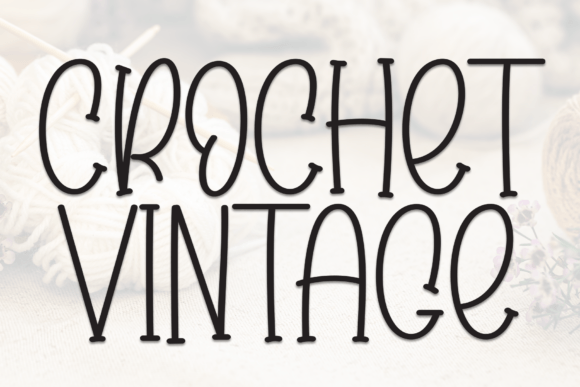
At first glance, Crochet Vintage looks less like digital code and more like ink flowing from a fountain pen or thread looping through fabric. Its defining characteristic is its handwritten nature, which mimics the natural variations found in human writing. Unlike a standard display font that might rely on uniform stroke widths, this creative font features subtle fluctuations in line thickness, occasional loops, and organic curves that suggest movement and life.
The "vintage" aspect of the name is not merely a label; it is embedded in the design DNA. The letterforms possess a slightly rustic quality, reminiscent of mid-century invitations or labels on old-fashioned jam jars. While it shares some traits with a traditional serif font in terms of its decorative terminals, it ultimately stands apart as a distinct script font. The result is a typeface that feels approachable yet sophisticated. It avoids the overly cursive or illegible pitfalls common in many decorative scripts, striking a balance where the letters remain recognizable while retaining their whimsical flair.
Why Imperfection Creates Connection
There is a psychological reason why audiences respond so well to this style. In branding, perfection can sometimes feel cold or corporate. Crochet Vintage introduces a level of vulnerability and authenticity. When used in logo design or packaging design, it signals to the consumer that real people are behind the product. It suggests that the item was made with attention to detail, much like a hand-crocheted blanket. This emotional resonance is powerful for entrepreneurs and marketers who want to build trust and foster a sense of community around their work.
Ideal Applications for Crochet Vintage
Because of its distinct personality, this commercial font is best suited for specific contexts where warmth and individuality are paramount. It shines brightest in projects that benefit from a personal touch. For crafters and hobbyists selling on platforms like Etsy, using this typeface on shop banners and product tags immediately communicates the handmade nature of the goods. It is equally effective for wedding invitations, baby announcements, and event flyers where a romantic or nostalgic atmosphere is desired.
Beyond physical crafts, the font translates beautifully into digital spaces. In web design, it works exceptionally well as a headline element. Imagine a blog about sustainable living or a portfolio for a watercolor artist; placing Crochet Vintage over a soft, textured background creates an immediate mood of comfort and creativity. It is also a strong contender for social media graphics, particularly for Instagram stories or Pinterest pins where stopping the scroll requires a visual hook that feels different from the standard grid of text.
However, versatility has limits. This is primarily a display font, meaning it is designed to be seen at larger sizes rather than in dense blocks of text. Using it for long paragraphs would likely hinder readability. Instead, reserve it for titles, slogans, short quotes, and accent text. When paired with a clean sans serif font for body copy, the contrast creates a professional hierarchy that guides the reader's eye effectively without overwhelming them.
Strategic Implementation and Readability
Integrating a characterful typeface like Crochet Vintage into a brand identity requires careful consideration of visual hierarchy and consistency. The goal is to enhance the message, not distract from it. One of the most common mistakes designers make is overusing decorative elements. To maintain professionalism, use this font sparingly. Let it serve as the anchor of your design, drawing attention to key information while allowing simpler fonts to handle the informational heavy lifting.
Readability is another critical factor. While the font is charming, its intricate details can get lost if the size is too small or the background is too busy. Always test your designs at various scales. What looks delightful on a large poster might become an unreadable blob on a mobile screen. Ensure there is sufficient spacing between letters (kerning) and lines (leading). Sometimes, adding a bit of extra space can actually improve the legibility of a script font, giving each character room to breathe and showcasing its unique shape.
Evaluating Font Pairings for Maximum Impact
The magic of Crochet Vintage often comes to light when you consider font pairing. Because the font itself is complex and detailed, it pairs best with simple, neutral counterparts. A geometric sans serif font offers a crisp, modern contrast that grounds the vintage aesthetic, preventing the design from feeling dated or cluttered. Alternatively, a classic serif font can reinforce the nostalgic theme, creating a cohesive editorial look suitable for magazines or book covers.
When selecting a partner typeface, look for one that does not compete for attention. The goal is a harmonious relationship where the Crochet Vintage headlines provide the emotion, and the supporting text provides clarity. This combination ensures that your audience engages with both the feeling of the brand and the substance of the message.
Licensing and Professional Usage
For entrepreneurs and agencies, understanding the licensing terms of any design asset is non-negotiable. As a commercial font, Crochet Vintage is intended for use in projects that generate revenue. Whether you are designing a logo for a client, creating packaging for a new product line, or building a website for a small business, ensure your license covers these specific applications. Most premium fonts offer different tiers of licensing, ranging from personal use to extended commercial rights.
Always review the included styles before committing. Some fonts come with only a single weight, while others include bold variants, italics, or alternate glyphs. Having access to multiple weights allows for greater flexibility in establishing visual hierarchy within your designs. If you plan to use the font across multiple devices or for web embedding, verify that the license permits webfont usage. Ignoring these details can lead to legal complications down the road, undermining the very professionalism you are trying to establish.
Finding Your Unique Voice
Ultimately, the decision to use Crochet Vintage should stem from a desire to connect with your audience on a deeper level. It is a tool for storytelling, offering a visual language that speaks of tradition, care, and authenticity. In a world of mass-produced content, choosing a font that feels handmade is a strategic move. It sets your brand apart, signaling that you value quality and connection over speed and efficiency.
Whether you are a graphic designer curating a collection of design assets or a blogger looking to refresh your site's aesthetic, this typeface offers a versatile solution. By understanding its strengths, limitations, and ideal pairings, you can harness its cozy charm to create designs that resonate. Remember, good typography is not just about how words look; it is about how they make people feel. With Crochet Vintage, the feeling is unmistakably warm, inviting, and full of heart.