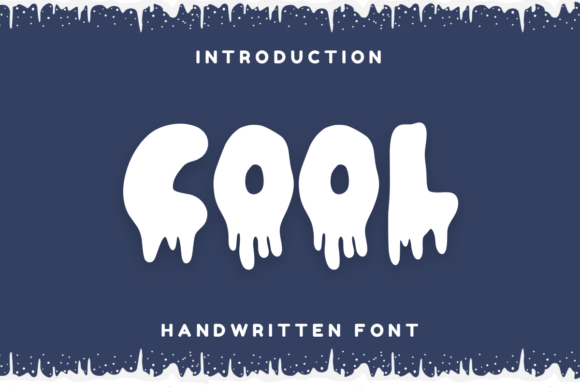
Cool: The Bold Dripping Paint Display Font
Imagine a typeface that doesn't just sit on the page but seems to melt off it. That is the defining characteristic of Cool, a display font designed to mimic the chaotic energy of dripping paint. With thick, heavy strokes and an intentional sense of fluid motion, this typeface brings the raw aesthetic of street art directly into digital and print design. It is not a font for subtle whispers; it is a visual shout that demands attention, perfect for headlines, posters, and branding that needs to feel alive, rebellious, and undeniably creative.
For anyone looking to inject personality into their work, understanding how to wield a font like Cool can be the difference between a generic layout and a memorable experience. Whether you are a seasoned graphic designer or a small business owner trying to stand out on social media, the right typography can anchor your entire message. This guide explores what makes this dripping style unique and how different creators can evaluate whether it fits their specific goals.
The Visual Language of Street Art Typography
At its core, Cool is a bold display font rooted in the principles of urban graffiti and liquid art. Unlike standard sans-serif or serif fonts that prioritize uniformity and readability at small sizes, display fonts like this one prioritize impact and character. The letters are constructed with exaggerated thickness, creating a solid foundation that supports the "drips" cascading down the sides. These drips are not random; they are carefully crafted to suggest movement and gravity, giving the text a three-dimensional, tactile quality.
This style taps into a psychological response associated with creativity and rebellion. When viewers see text that looks like it has been freshly painted on a wall, it triggers associations with freedom, expression, and the counter-culture roots of street art. For designers, this means Cool carries an emotional weight beyond mere legibility. It signals that the content is modern, edgy, and unafraid to break traditional rules. However, this power comes with responsibility. Because the style is so dominant, it works best when used sparingly, typically for short headlines or logos where the visual flair is the primary goal.
Why Different Audiences Connect with Cool
The appeal of a dripping paint font varies significantly depending on who is using it and why. While the visual traits remain constant, the value proposition shifts based on the user's role and objectives.
For Entrepreneurs and Small Business Owners, the priority is often brand differentiation. In crowded markets like coffee shops, skateboarding gear, music festivals, or fashion boutiques, a standard font might get lost. Using Cool allows these businesses to project a youthful, energetic image immediately. It tells customers, "We are different, and we have attitude." The cost-benefit analysis here is simple: a free or low-cost font file can provide a high-impact branding asset that feels custom-made without hiring an agency.
Marketers and Content Creators care about engagement rates. In the fast-scrolling environment of social media, static text often fails to stop the thumb. A headline rendered in Cool acts as a visual hook. The irregular shapes and dynamic drips create visual noise that contrasts sharply with clean interfaces, forcing the eye to pause. For a marketer planning a campaign around summer vibes, youth culture, or limited-time offers, this font serves as a tool to increase click-through rates by breaking pattern recognition.
Educators and Hobbyists might approach Cool from a learning perspective. Teachers of art or design use such fonts to demonstrate the concept of texture and form in typography. Students learn how letterforms can be manipulated to convey mood rather than just information. Similarly, hobbyists working on personal projects—like fan art, zines, or custom t-shirts—find this font accessible because it does the "heavy lifting" of artistic styling for them. They don't need to be expert illustrators to achieve a professional-looking, hand-painted effect.
Evaluating Fit: Skill Level and Project Type
Deciding if Cool is the right choice requires an honest assessment of your project's needs and your own skill level. It is not a universal solution, and misusing it can lead to designs that look messy or unreadable.
- Beginners: If you are new to design, Cool is forgiving because it is pre-styled. You do not need advanced software skills to add drips manually. However, beginners should focus on pairing it with a clean, neutral body font to ensure the overall layout remains balanced. The risk for novices is overuse; applying this font to paragraphs of text will ruin readability.
- Professionals: Experienced designers will likely view Cool as a starting point. They may tweak the kerning (spacing between letters) to accommodate the long drips, ensuring they don't collide awkwardly. Professionals also consider the technical limitations, such as how the font renders on mobile screens versus large billboards. For them, the value lies in customization and integration into a broader brand system.
- Freelancers and Publishers: For those selling services or products, the decision hinges on commercial licensing and versatility. Before using Cool in a client project, verifying the license terms is crucial to avoid legal issues. Publishers must also consider longevity; while trendy now, will a dripping font date a book cover or magazine layout in five years? The trade-off is between immediate impact and timeless appeal.
Practical Applications Across Industries
To truly understand the utility of this typeface, it helps to visualize it in real-world scenarios. Here is how different sectors might leverage the unique qualities of Cool.
In the Music and Entertainment Industry, concert posters and album covers frequently utilize dripping fonts to evoke the energy of live performance. Imagine a poster for an indie rock band; the title in Cool instantly communicates the genre before a single note is heard. The thick strokes ensure visibility even from a distance, while the drips add a layer of grit that aligns with the raw sound of the music.
Fashion and Apparel brands targeting Gen Z or young adults often use this style for seasonal collections. A t-shirt featuring a slogan in a dripping paint font suggests a casual, streetwear aesthetic. It implies that the clothing is part of a cultural movement rather than just a commodity. Designers in this space prioritize the "cool factor" above all else, making this font a staple in their toolkit for creating eye-catching merchandise.
Even Digital Marketing campaigns benefit from this approach. A landing page for a summer festival could feature a hero banner with the event name in Cool. The contrast against a bright background creates a vibrant focal point. However, the copy below the headline would switch to a highly legible sans-serif font, ensuring that users can easily read ticket prices and dates without straining their eyes.
Priorities: Quality, Flexibility, and Longevity
When evaluating any display font, several practical factors come into play. Cool excels in presentation and creativity, offering a distinct look that is hard to replicate with standard tools. Its flexibility is moderate; while it works well for headlines, it lacks the versatility needed for body text. Users must accept that this is a specialized tool, not a general-purpose one.
Reliability and Speed are also considerations. High-quality font files load quickly and render consistently across devices. Since Cool relies on complex vector paths to create the drip effects, it is essential to ensure the file is optimized for web use if being deployed online. Poorly optimized versions can cause rendering delays or pixelation on smaller screens, detracting from the intended effect.
Finally, consider Long-term Usefulness. Trends in typography shift rapidly. While the street-art vibe has enduring appeal, specific styles can become cliché. If you are building a brand identity meant to last a decade, ask yourself if the dripping aesthetic aligns with your future vision. For short-term campaigns, events, or seasonal promotions, Cool is an excellent choice. For permanent corporate identities, it requires careful consideration to ensure it doesn't limit future growth or rebranding efforts.
Ultimately, Cool is more than just a set of characters; it is a design statement. It invites creators to embrace imperfection and movement in their work. By understanding its strengths and limitations, you can decide if this bold, dripping font is the missing piece in your next creative project. Whether you are painting a virtual canvas or designing a physical product, the right font can transform your message from ordinary to unforgettable.