Chocolate Halloween: A Bold Typography Solution for Spooky Designs
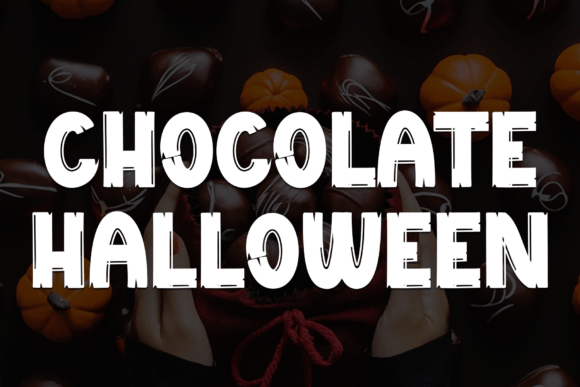
In the realm of digital design and print media, finding a typeface that instantly communicates a specific mood without relying on excessive imagery is a constant challenge. For designers, marketers, and event planners navigating the seasonal rush of October, the need for visual elements that balance playfulness with sophistication is paramount. This is where Chocolate Halloween emerges as a distinct and powerful tool. It is not merely a font; it is a bold and playful display font designed with a spooky theme that leverages texture and weight to create immediate visual impact. Its thick letters look like they are made of rich chocolate, making it perfect for Halloween decorations and treats.
Understanding the Visual Language of Chocolate Halloween
To utilize Chocolate Halloween effectively, one must first understand its core aesthetic identity. Unlike traditional serif or sans-serif fonts that prioritize legibility in body text, this typeface is engineered for headlines, logos, and short bursts of impactful copy. The defining characteristic of the font is its simulation of a tactile material. By rendering characters with the density and glossiness associated with high-quality dark chocolate, the font bridges the gap between the macabre themes of Halloween and the comforting indulgence of sweets.
This duality addresses a common friction point in seasonal marketing: the struggle to make spooky content feel inviting rather than frightening. While many Halloween fonts rely on jagged edges, dripping blood effects, or skeletal structures, Chocolate Halloween offers a softer, more approachable alternative. It retains the "spooky" vibe through its irregular, organic shapes but grounds them in a warm, edible aesthetic. This makes it an ideal choice for audiences who want to celebrate the holiday without alienating children or those sensitive to horror tropes.
Addressing Design Challenges in Seasonal Campaigns
Professionals working in branding, packaging, and event planning often face specific hurdles when creating Halloween-themed assets. One primary challenge is the overuse of clichéd visuals. When every flyer features the same orange-and-black color palette and generic ghost clip art, brand differentiation becomes difficult. Another significant issue is readability. Many decorative Halloween fonts sacrifice clarity for style, resulting in text that is difficult to read at smaller sizes or from a distance.
Chocolate Halloween directly addresses these pain points. Because the letters are thick and substantial, they maintain structural integrity even when used in large formats or against busy backgrounds. The "chocolate" texture adds depth without obscuring the letterforms, ensuring that the message remains clear. Furthermore, the unique materiality of the font allows brands to stand out. Instead of blending into a sea of standard gothic scripts, a campaign utilizing this typeface immediately signals a premium, fun, and sensory-focused experience.
Solving the Tone Consistency Problem
For adult audiences seeking practical solutions, maintaining tone consistency across various touchpoints is critical. A bakery might want to sell pumpkin spice cupcakes, while a party store needs to market costume accessories. Using a scary font for the bakery can deter customers, while a too-cute font might undermine the thrill of the party store. Chocolate Halloween acts as a versatile middle ground. Its inherent connection to food makes it naturally suitable for culinary contexts, yet its bold, slightly irregular structure keeps the Halloween spirit alive. This versatility allows a single design system to be adapted for multiple products within the same seasonal collection, streamlining the creative workflow.
Practical Applications and Strategic Implementation
The utility of Chocolate Halloween extends far beyond simple decoration. When implemented strategically, it can drive engagement and sales across several key areas. Understanding how different users approach this topic reveals a wide range of successful applications.
Packaging and Product Labels
For chocolatiers, confectioners, and food manufacturers, this font is a natural fit. Imagine a limited-edition Halloween candy bar wrapper. Using Chocolate Halloween for the product name creates an immediate association with the contents. The visual cue of the "chocolatey" text reinforces the flavor profile before the consumer even reads the ingredients. This psychological priming can increase perceived value and desirability. Designers should pair this font with matte finishes or foil stamping to enhance the tactile illusion, making the package feel as indulgent as the treat inside.
Event Invitations and Signage
Event planners organizing corporate parties, school fundraisers, or community gatherings often need signage that is visible and thematic. Chocolate Halloween works exceptionally well for welcome signs, menu boards, and directional markers. Its thickness ensures visibility from a distance, while the playful nature sets a welcoming tone for guests. For adults organizing events, the font removes the pressure of needing elaborate props; the typography itself does the heavy lifting of setting the scene. A simple black background with the font in a deep brown or gold gradient can create a sophisticated yet festive atmosphere.
Digital Marketing and Social Media
In the digital space, attention spans are short. Social media posts and email headers need to grab the eye instantly. Chocolate Halloween provides the necessary contrast to stop the scroll. Marketers can use it for promotional banners announcing flash sales or new product drops. The font's unique texture stands out against flat digital backgrounds, adding a layer of richness that standard web fonts lack. To maximize effectiveness, designers should ensure high contrast between the text and the background, perhaps using a cream or pale orange backdrop to let the dark "chocolate" letters pop.
Tailoring the Approach for Different Users
While the font serves a broad audience, the implementation strategy varies based on user goals. A graphic designer focusing on luxury branding will approach Chocolate Halloween differently than a teacher creating classroom decorations.
- Luxury Brand Managers: These users should focus on minimalism. Pair the font with ample white space and high-end photography. Avoid cluttering the design with other competing elements. Let the font's texture speak to quality and craftsmanship.
- Retail Merchants: For those focused on volume sales, the goal is excitement. Use the font in conjunction with bright colors, patterns, and dynamic layouts. The font here serves as the anchor for a high-energy visual hierarchy.
- DIY Enthusiasts: Individuals looking to create home decorations can use the font in printable templates. The robust nature of the letters means they hold up well when printed on cardstock or vinyl for cutting machines, allowing for durable and reusable decor.
Recommendations for Optimal Results
To get the most out of Chocolate Halloween, consider the following practical recommendations. First, limit the usage to headlines and subheads. Due to its decorative nature, it is not suitable for long paragraphs of body text. Second, experiment with color variations. While brown is the default association, rendering the font in metallic gold, deep purple, or vibrant orange can shift the mood while retaining the structural benefits. Finally, pay attention to kerning. Because the letters have organic, uneven edges, adjusting the spacing between characters can significantly improve readability and aesthetic balance.
Ultimately, Chocolate Halloween represents a solution-oriented approach to seasonal design. It solves the problem of generic aesthetics by offering a unique, textured alternative that resonates with both the spooky and the sweet aspects of the holiday. By integrating this bold and playful display font into your design toolkit, you can create compelling, memorable, and effective visuals that meet the diverse needs of modern audiences.